
Introduction
Thousands of homeowners across the UK installed solar panels in the 2010s, drawn by generous Feed-in Tariff rates and the promise of reduced energy bills. But now, many are asking a logical follow-up question: can I add a battery to my existing solar system and store the energy I generate rather than exporting it to the grid for a few pence per kilowatt-hour? The answer is yes but it requires careful planning, the right equipment, and a qualified installer. This guide walks you through everything you need to know about retrofitting a battery to your existing solar PV system.
Why Add Battery Storage Now?
When solar panels were first installed on many UK homes, home battery storage was either unavailable or prohibitively expensive. The situation has changed dramatically. Battery prices have fallen significantly, technology has improved, and energy tariffs have made self-consumption far more valuable. With electricity prices remaining elevated compared to historic averages, storing your solar-generated electricity and using it during the evening is now far more financially beneficial than exporting it. A home battery can increase your solar self-consumption from around 30-40% to over 80% in many cases.
Assessing Compatibility with Your Existing System
The first question to answer is whether your existing solar PV system is compatible with battery storage. There are two main approaches: AC-coupled and DC-coupled battery systems. AC-coupled batteries connect to your home’s AC electricity supply and work with virtually any existing solar inverter, regardless of brand or age. This makes them the most common choice for retrofitting. DC-coupled batteries connect directly to the solar panels before the inverter, which is more efficient but generally requires replacing the existing inverter with a hybrid model. An installer will assess your current system to determine which approach is most suitable.
Understanding Your Current Inverter
Your solar inverter is the device that converts the DC electricity generated by your panels into AC electricity for use in your home. For retrofitting purposes, the age, brand, and condition of your inverter matters. Some older inverters, particularly string inverters from the 2010s, may not communicate effectively with modern battery management systems. In these cases, an AC-coupled battery that operates independently of the inverter is the simplest solution. If your inverter is approaching the end of its lifespan most have a 10-15 year warranty it may be cost-effective to upgrade to a hybrid inverter and couple a DC battery at the same time.
Choosing the Right Battery Size
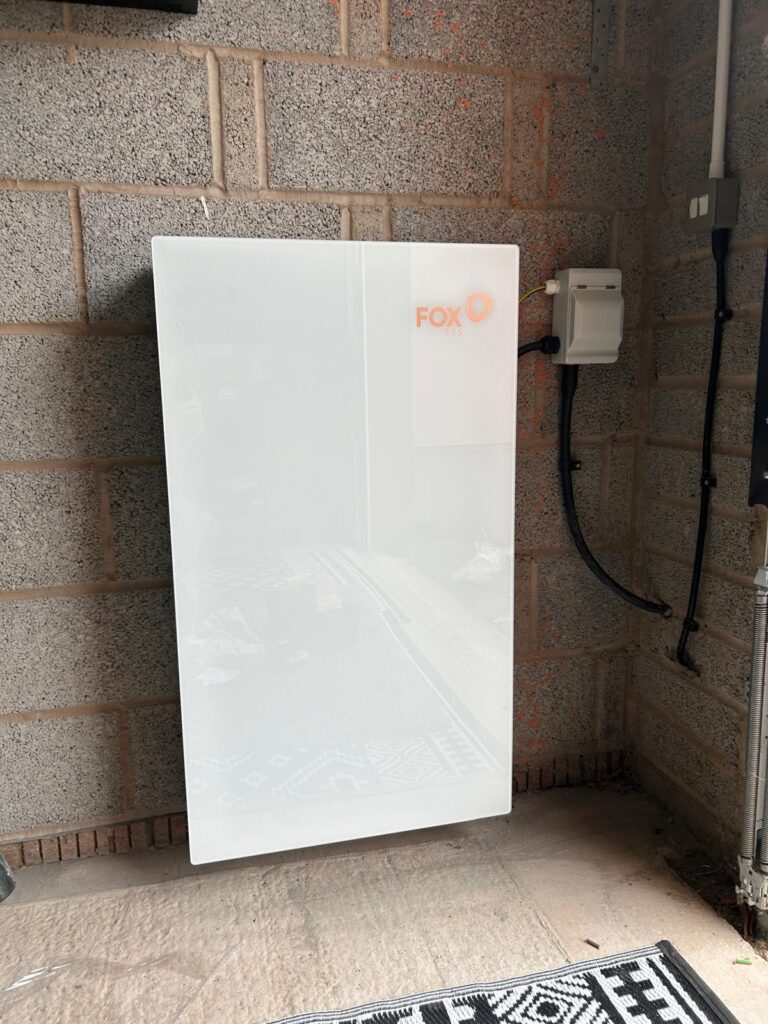
Home batteries are sized by their usable energy capacity, measured in kilowatt-hours. For a typical UK household, a battery of 5kWh to 10kWh is a practical starting point. To determine the right size for your home, consider your daily electricity consumption, the size of your solar array, and whether you plan to use the battery for grid flexibility (such as overnight cheap-rate charging) as well as solar storage. Popular battery options in the UK include the Tesla Powerwall 3, Givenergy All-in-One, Fox ESS, and SolarEdge Home Battery. Each has different specifications, warranties, and compatibility requirements.
Impact on Your Feed-in Tariff or Smart Export Guarantee
If your solar system was installed before 2019, you may be on the Feed-in Tariff scheme, which pays you for units you generate and export. Adding a battery does not affect your generation tariff, but it may reduce your export payments since you will be using more of what you generate. Before retrofitting, check your Feed-in Tariff contract for any conditions relating to storage additions. For newer systems on the Smart Export Guarantee, there are generally no restrictions on adding battery storage, and you will still be paid for any surplus energy you export.
Cost and Return on Investment
The cost of retrofitting a home battery in the UK typically ranges from £3,500 to £8,000 depending on battery size, brand, and installation complexity. The return on investment depends on your electricity tariff, solar generation, and household consumption patterns. Most homeowners with a suitable solar array can expect payback periods of between 7 and 12 years under standard tariffs, reducing significantly if you are on an Intelligent Octopus or similar dynamic tariff that allows off-peak grid charging. There is currently no VAT on home battery storage installations in the UK, which represents a 20% saving on the cost.
Finding a Qualified Installer
Retrofitting a battery to an existing solar system requires a qualified electrician with relevant experience in solar PV and battery storage systems. Look for installers registered with the Microgeneration Certification Scheme (MCS), as this is often a requirement for warranty validation and any applicable grant funding. Your original solar installer may offer retrofit services, but independent quotes from two or three MCS-certified installers are advisable to ensure competitive pricing.
Conclusion
Adding battery storage to your existing solar PV system is one of the most impactful home energy upgrades available in 2026. It maximises the value of your solar investment, reduces reliance on grid electricity, cuts your energy bills, and contributes to a cleaner energy future. With compatibility options for virtually every solar system and a range of battery sizes to suit different needs and budgets, retrofitting has never been more accessible. The sooner you act, the sooner you start storing the sun.
LPSEV Charging Powering the future with innovative, reliable, and smart EV charging solutions designed for modern businesses and sustainable transportation needs. Contact Us with our team today to discover high-quality EV charging solutions, expert support, and customized services tailored to your requirements.
