

Introduction
For small delivery firms operating in and around Bristol, the transition to electric vehicles is no longer a distant aspiration it is an urgent business necessity. The Bristol Clean Air Zone, rising fuel costs, growing customer expectations around sustainability, and an expanding range of capable electric vans are combining to make fleet electrification both financially attractive and commercially essential. This guide provides a practical roadmap for Bristol delivery firms looking to make the transition, covering everything from vehicle selection and charger installation to driver training and route planning.
The Business Case for Going Electric
The financial case for electrifying a small delivery fleet in Bristol is compelling. Electric vans typically cost two to three times less per mile to run than their diesel equivalents when charged at off-peak tariff rates. Maintenance costs are also significantly lower no oil changes, fewer brake replacements (thanks to regenerative braking), and fewer moving parts means less servicing downtime and reduced repair bills. When you add the elimination of Clean Air Zone charges for Bristol city centre deliveries, the annual savings for a small firm operating three to five vans can run into tens of thousands of pounds.
Choosing the Right Electric Vans
The electric van market has expanded considerably, and Bristol delivery firms now have a range of credible options. The Maxus eDELIVER 3 and eDELIVER 7 offer competitive payload capacity and range. The Ford E-Transit Custom and Mercedes-Benz eSprinter target medium and heavy duty delivery needs. The Vauxhall Vivaro Electric and Peugeot e-Expert are popular mid-size choices with proven reliability. Key considerations are payload capacity, range (real-world, not official figures), charging speed compatibility, and manufacturer warranty and support. Test drives under realistic load conditions are strongly advisable before committing to a particular model.
Setting Up Depot Charging
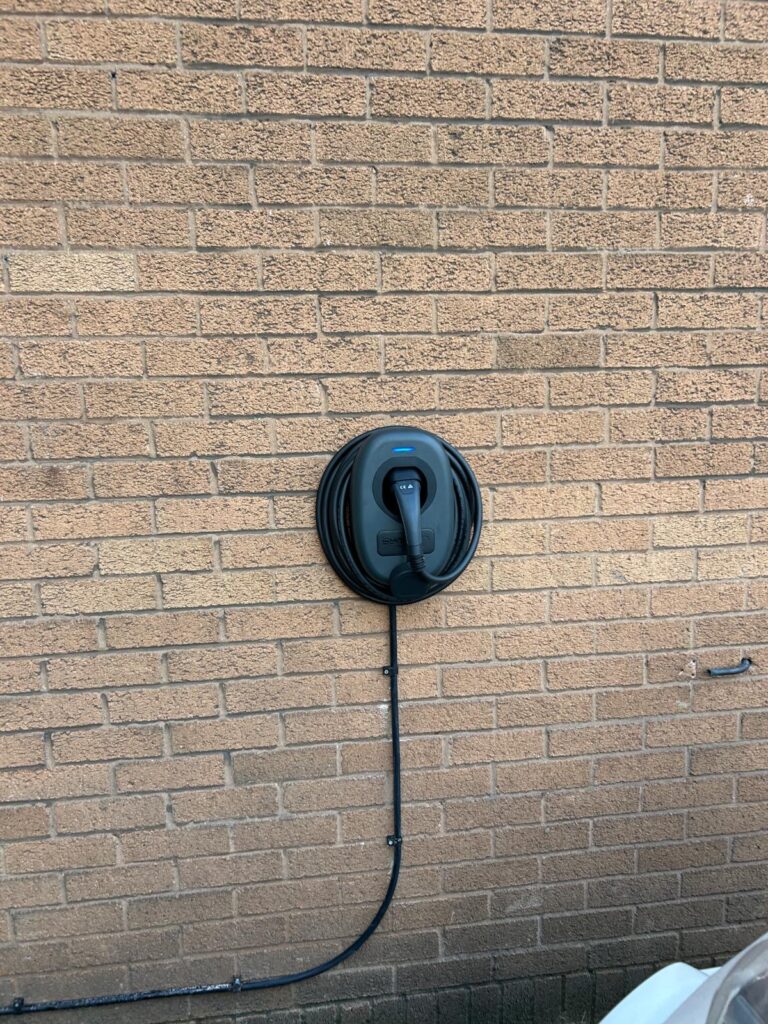
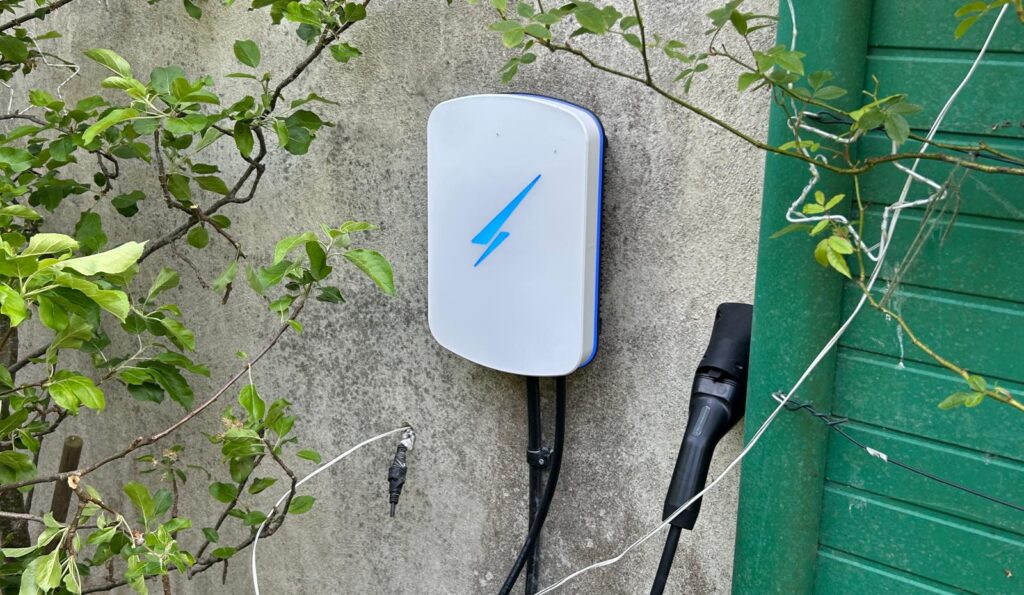
For most small Bristol delivery firms, the most cost-effective approach to fleet charging is overnight depot charging. This requires installing commercial-grade charge points at your premises, ideally with load management capabilities to handle multiple vehicles charging simultaneously without exceeding your site’s supply capacity. A typical depot setup for a three to five van fleet will require a three-phase electricity supply and a series of 22kW charge points. The upfront cost of supply upgrade and charger installation can be substantial but is significantly offset by the Workplace Charging Scheme grant, which covers up to 75% of costs up to £350 per socket.
Managing Range and Route Planning
Range anxiety is a common concern for fleet operators new to EVs, but with proper route planning it becomes a manageable non-issue for most Bristol delivery operations. The majority of inner-city delivery routes easily fall within the range of a single charge for modern electric vans. For longer routes across Somerset and the South West, careful planning around public rapid charging locations ensures continuity. Dedicated fleet management software can help optimise routes, monitor vehicle state of charge in real time, and flag when a vehicle needs to be scheduled for charging. Once drivers adapt to the different refuelling mindset charging overnight rather than stopping at a petrol station range management becomes straightforward.
Driver Training and Cultural Change
Successfully transitioning your Bristol delivery fleet to electric vehicles is as much a people challenge as a technical one. Drivers accustomed to diesel vans will need training on how to maximise EV range (smooth acceleration, regenerative braking, pre-conditioning), how to use public chargers if needed during a shift, and how to report any issues with their vehicle or charging equipment. Engaging drivers early in the transition process, addressing their concerns openly, and involving them in vehicle selection where possible will build buy-in and smooth the cultural shift. Early adopters within the team can become internal champions who support their colleagues through the adjustment.
Grants and Incentives for Bristol Fleet Operators
Bristol delivery firms can access several grants and incentives to support fleet electrification. The Plug-in Van Grant provides up to £2,500 off the purchase price of a qualifying small electric van (subject to current DVSA eligibility criteria). The Workplace Charging Scheme covers charger installation costs as above. Enhanced Capital Allowances allow businesses to deduct the full cost of EV charging equipment from taxable profit in the year of purchase. Bristol City Council has also partnered with several organisations to offer additional local support for businesses transitioning to zero-emission fleets as part of its Clean Air strategy.
Conclusion
The electrification of small delivery fleets in Bristol is not a question of if it is a question of when and how. The financial rewards are significant, the regulatory pressure is real, and the technology is ready. Small delivery firms that act now will benefit from first-mover advantages in cost savings and customer perception, while those that delay will face increasing pressure from both the Clean Air Zone and the inevitable shift in customer expectations toward zero-emission delivery. The road ahead for Bristol’s delivery sector is electric and it starts with a plan.
LPSEV Charging Powering the future with innovative, reliable, and smart EV charging solutions designed for modern businesses and sustainable transportation needs.
Contact Us with our team today to discover high-quality EV charging solutions, expert support, and customized services tailored to your requirements.
