Introduction
Winter is the season that tests electric vehicle owners the most. Cold temperatures affect battery chemistry, increase energy demand for heating, and can reduce real-world range by 20-40% compared to summer driving. For many EV owners, this range reduction is the single biggest practical concern about life with an electric car. But there is good news: with the right home charging setup, battery storage strategy, and pre-conditioning habits, you can dramatically reduce the impact of winter on your EV’s range and reliability. This guide covers everything you need to know to keep your EV performing at its best throughout the cold months.
Why Cold Weather Reduces EV Range
Lithium-ion batteries the technology powering virtually all modern EVs are sensitive to temperature. In cold conditions, the electrochemical reactions within the cells slow down, reducing the amount of energy that can be extracted from a given charge. Additionally, cabin heating in an EV is powered by the battery rather than waste engine heat as in a petrol or diesel car, adding a significant extra load in cold weather. A heated rear window, seat heaters, heated steering wheel, and fan blower all draw from the same battery pack that powers the motor. The cumulative effect can be a real-world range reduction of 25-35% on very cold days.
Pre-Conditioning: The Most Powerful Winter Tool
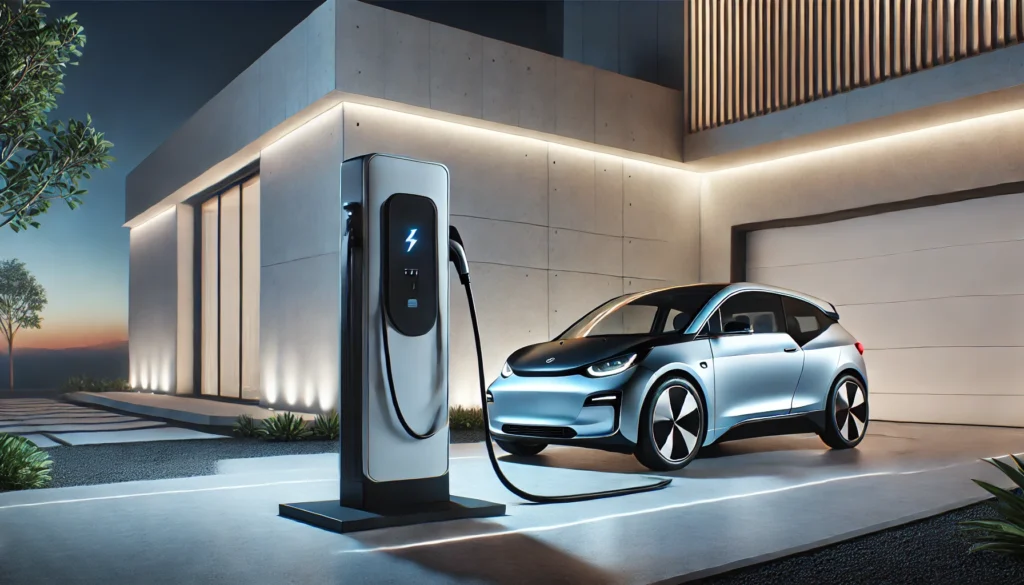
Pre-conditioning is the process of warming your EV’s cabin and battery to the optimal operating temperature before you begin driving while the car is still plugged in and drawing power from the mains rather than the battery. This is one of the most effective ways to preserve range in cold weather. By warming the cabin before you set off, you eliminate the need to run the heater at full power during your drive. Many EVs can be pre-conditioned via a smartphone app, allowing you to schedule the warm-up to coincide with your planned departure time. A home charger with smart scheduling capabilities makes this seamless.
The Role of Home Battery Storage in Winter EV Ownership
A home battery storage system can play a valuable supporting role in winter EV management, particularly for homeowners with solar panels. During winter, solar generation is reduced but not zero panels still generate meaningful electricity on bright winter days. A home battery can store this midday solar generation and use it for EV charging in the evening, reducing dependence on grid electricity and maintaining cost-effective charging throughout the year. Additionally, for homeowners on flexible tariffs, a home battery can be charged overnight when rates are lowest and used to top up the EV during the day, creating a highly cost-efficient charging ecosystem.
Smart Charging Strategies for Winter
Beyond pre-conditioning and battery storage, there are several smart charging strategies that can help EV owners navigate winter effectively. Keeping your EV plugged in whenever it is parked at home allows the car’s battery management system to maintain the battery at an optimal temperature without depleting its charge. Charging to 80-90% regularly, rather than to 100%, preserves battery longevity and is sufficient for most daily drives, with a full charge reserved for days when maximum range is needed. Smart chargers that integrate with weather forecasting data can even adjust charging schedules proactively to account for forecast cold snaps.
Optimising Your Home Charging Setup for Winter Resilience
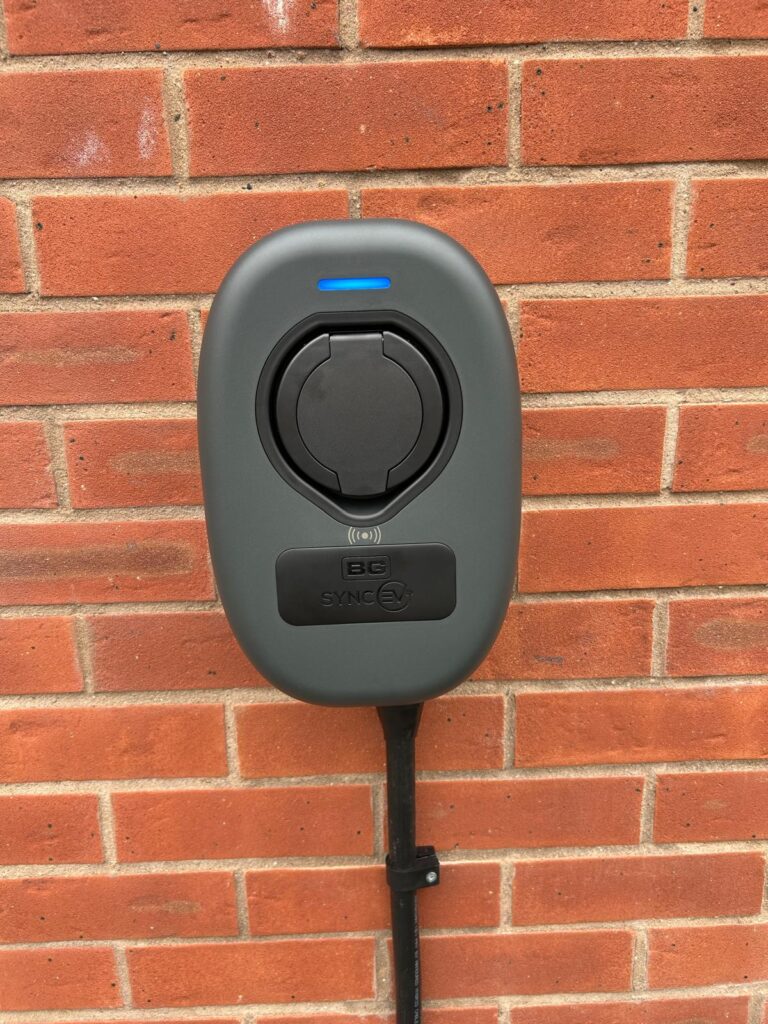
A 7kW fast home charger is strongly recommended for winter EV ownership. The faster charging speed means that even if you arrive home with a significantly depleted battery due to cold weather conditions, the car will be ready with a full charge for your next morning departure. Chargers installed in a garage benefit from the shelter of the building, which helps keep both the charger and the vehicle at more moderate temperatures overnight. If your charger is installed outdoors, ensure it is in a weather-protected location and that you have chosen a unit with a suitable temperature rating for operation in freezing conditions.
Winter-Specific Driving Tips to Maximise Range
Alongside your home charging strategy, some simple adjustments to your driving habits in winter can make a significant difference to range. Use seat heaters instead of the main cabin heater where possible they are far more energy efficient. Drive more smoothly and allow for longer stopping distances, which also maximises regenerative braking efficiency. If your EV has an eco mode, use it in cold weather to prioritise range over performance. Plan longer journeys with a charging stop in mind, as range will be lower than the official figures suggest. And always check the state of charge before setting off on a winter morning, particularly if the car has not been plugged in overnight.
The Future of EV Winter Performance
Battery technology is continuously improving, and the cold weather range penalty is expected to reduce significantly in coming vehicle generations. Heat pump systems, which extract heat from the ambient air rather than generating it electrically, are becoming standard in new EV models and dramatically reduce the energy cost of cabin heating in cold weather. Solid-state batteries, expected to enter production vehicles later in this decade, promise better performance at low temperatures. For existing EV owners, the strategies and tools outlined in this guide provide practical and effective ways to manage winter performance with today’s technology.
Conclusion
Cold weather need not mean a compromised EV experience. With the combination of pre-conditioning, smart home charging, home battery storage, and winter-adapted driving habits, you can significantly reduce the range impact of winter and maintain the convenience and cost efficiency that makes EV ownership so rewarding. The key is preparation and with the right home charging setup, your electric vehicle will be ready for whatever the British winter throws at it.
LPSEV Charging Powering the future with innovative, reliable, and smart EV charging solutions designed for modern businesses and sustainable transportation needs.
Contact Us with our team today to discover high-quality EV charging solutions, expert support, and customized services tailored to your requirements.
