Introduction
Installing a fast EV charger in your Bristol home might seem straightforward, but there is a critical step that many homeowners overlook: assessing and managing your home’s electrical load. Without proper load management, a fast charger can overload your existing electrical supply, trip your main fuse, or even cause safety hazards. This guide explains what load management is, why it matters, and what Bristol homeowners need to know before upgrading to a fast home charger.
What is Electrical Load Management?
Electrical load management refers to the process of monitoring, controlling, and distributing electricity consumption across multiple devices and systems to prevent the total demand from exceeding the available supply. In a domestic setting, this means ensuring that your EV charger, oven, washing machine, electric shower, and other high-power appliances do not all draw maximum power simultaneously which could exceed your home’s supply capacity and cause your main fuse to blow.
Understanding Your Home’s Electrical Supply
Most Bristol homes are connected to either a 60-amp or 100-amp single-phase electricity supply. A 7kW fast charger alone draws approximately 32 amps. Add in a 10kW electric shower (approximately 45 amps), an electric oven (approximately 30 amps), and other household loads, and it becomes clear how quickly you can approach or exceed your supply limit. Older terraced and semi-detached properties in areas like Clifton, Redland, and Bedminster may have particularly limited supply capacity and older wiring that needs assessment before any high-power installation.
Signs Your Home Might Need Load Management
There are several warning signs that your Bristol home may need load management before installing a fast charger. If your main fuse trips regularly during periods of high electricity use, that is a strong indicator. If your property is older than 30 years and has not had electrical work done recently, it is likely that the consumer unit and wiring may not be capable of supporting additional high-power loads. Similarly, if your property already has an electric vehicle charger, storage heaters, or an electric shower, and you want to upgrade to a faster charger, a load management assessment is essential.
How Smart Load Management Works
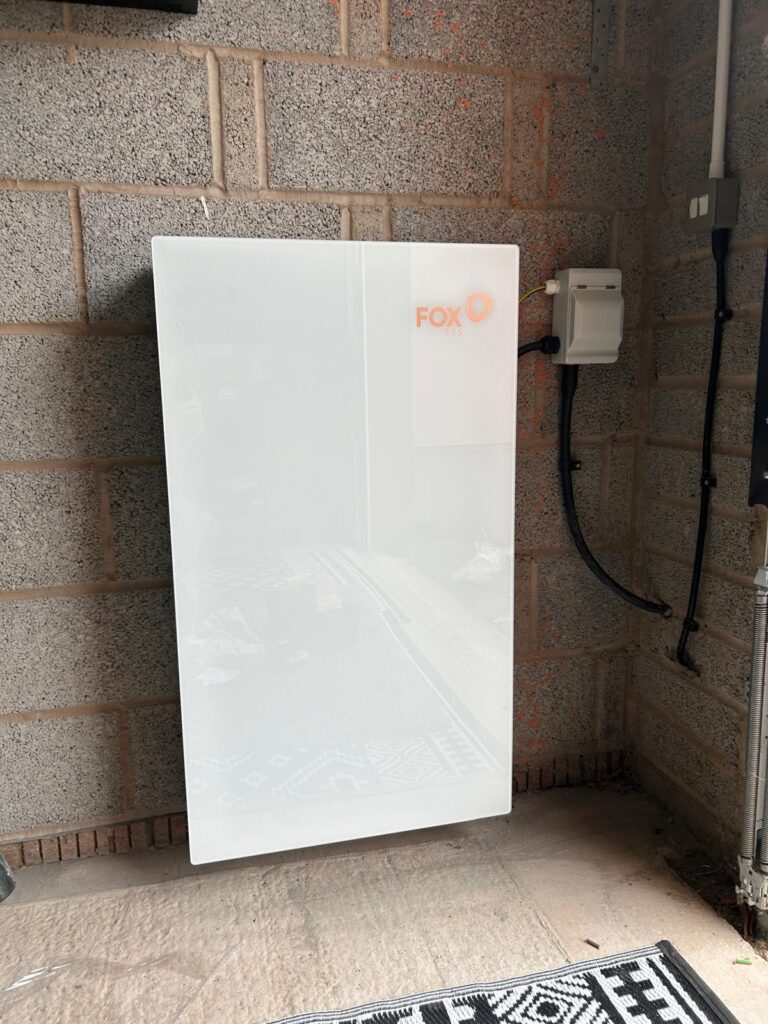
Modern EV chargers come with built-in smart load management features that continuously monitor your home’s electrical consumption and automatically adjust the charging rate to prevent overload. For example, if your smart charger detects that the oven and dishwasher are running simultaneously, it will temporarily reduce the charging current to stay within your available supply capacity. Once those appliances switch off, the charger resumes at full power. This dynamic adjustment happens in real time and is completely transparent to the user. Some systems can even integrate with your solar panels and home battery to prioritise green energy for charging.
When an Electrical Upgrade is Needed
In some Bristol homes, smart load management alone is not sufficient. If your property has a supply capacity of 60 amps or less, or if your consumer unit is outdated and lacks the necessary circuit protection, an electrical upgrade will be required before a fast charger can be safely installed. This typically involves upgrading the consumer unit, potentially increasing the main fuse size (which requires coordination with Western Power Distribution, now National Grid Electricity Distribution), and ensuring all wiring meets current BS 7671 standards. While this adds cost upfront, it is an investment that benefits your home’s overall safety and value.
The Importance of a Professional Assessment
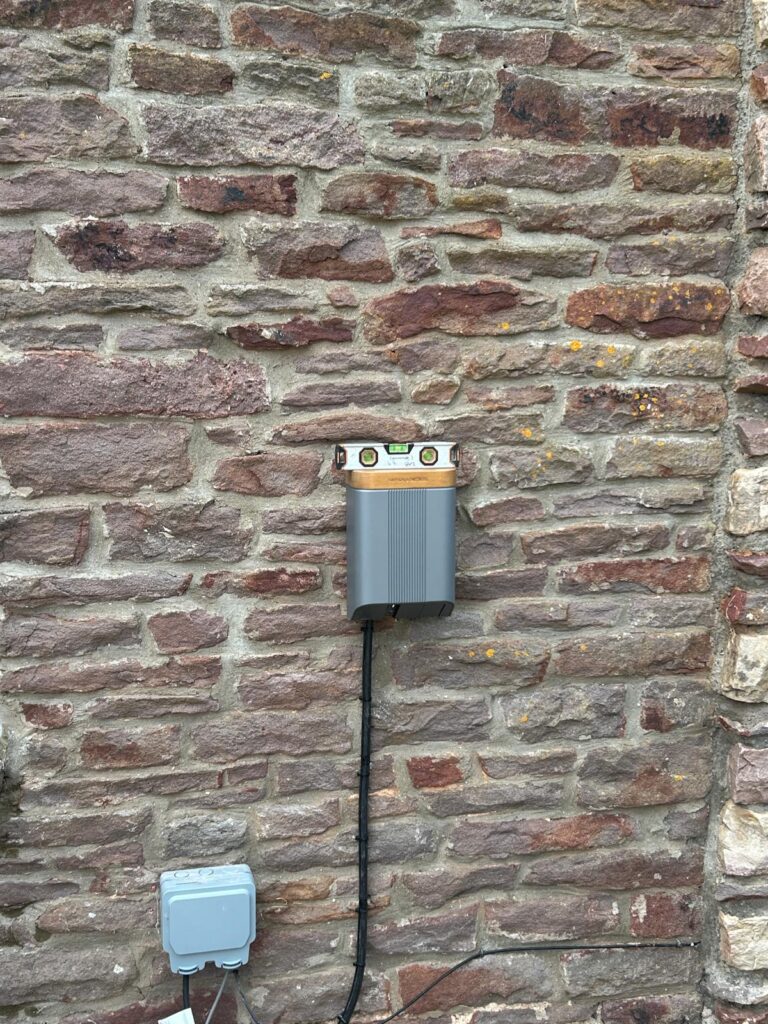
Before purchasing a fast EV charger for your Bristol home, it is strongly recommended that you commission a professional electrical assessment from a qualified electrician who is also OZEV-registered. They will review your existing supply, consumer unit, wiring condition, and overall load profile to determine whether load management software, hardware upgrades, or both are required. Many EV charger installers in Bristol offer this assessment as part of the installation process, so be sure to ask before proceeding.
Cost Implications
The cost of load management solutions varies. Software-based load management is typically built into modern smart chargers at no additional cost. Hardware upgrades such as a new consumer unit or supply upgrade can range from a few hundred to several thousand pounds depending on the extent of work required. However, failing to address load management properly can result in far more costly repairs or dangerous electrical faults. The UK government’s EV chargerpoint grant may also contribute to installation costs for eligible homeowners.
Conclusion
Load management is not an optional extra when it comes to fast EV charger installation in Bristol homes it is a fundamental safety and performance requirement. By understanding your home’s electrical capacity and working with a qualified installer to implement the right load management solution, you can enjoy fast, reliable, and safe home charging without compromising your home’s electrical integrity. Do the groundwork first, and your EV charging experience will be all the better for it.
LPSEV Charging Powering the future with innovative, reliable, and smart EV charging solutions designed for modern businesses and sustainable transportation needs.
Contact Us with our team today to discover high-quality EV charging solutions, expert support, and customized services tailored to your requirements.
