Introduction
For many homeowners, the decision to install an EV charger is accompanied by a nagging aesthetic concern: will a bulky charging unit on the wall or driveway ruin the look of my home? It is a legitimate worry, particularly for owners of period properties, homes in conservation areas, or simply those who take pride in their property’s appearance. The good news is that with careful planning and the right equipment, an EV charger installation can be virtually invisible or even enhance the look of your home. This guide explores the design options, installation techniques, and planning considerations for a truly discreet EV charging setup.
Choosing a Visually Discreet Charger
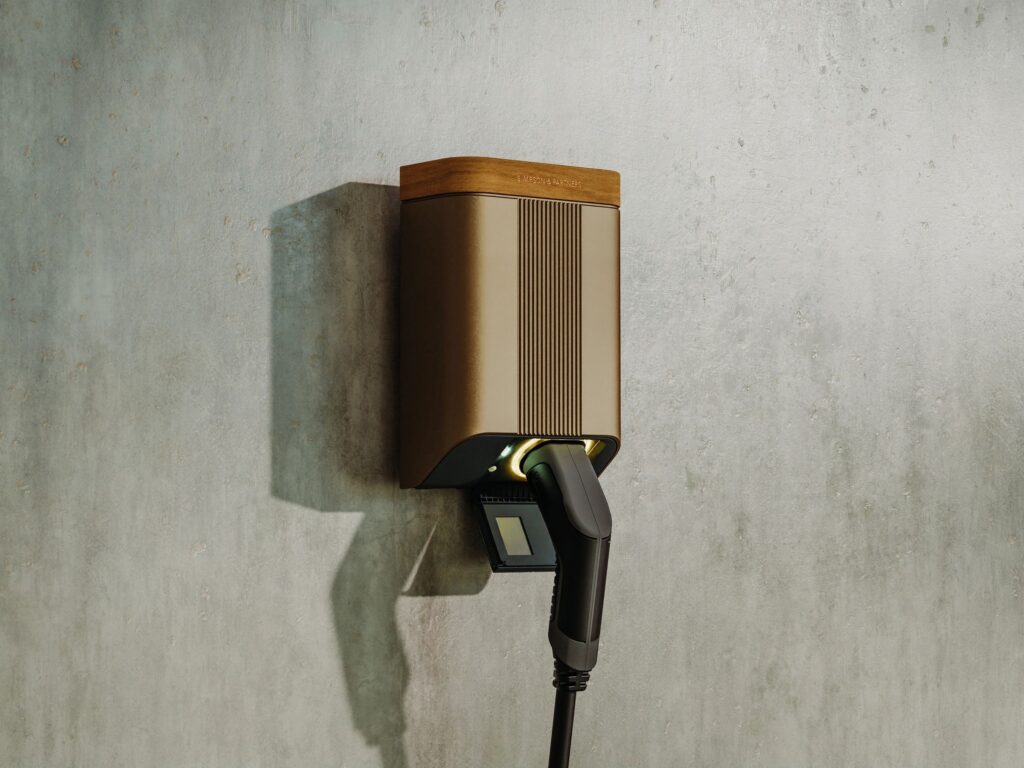
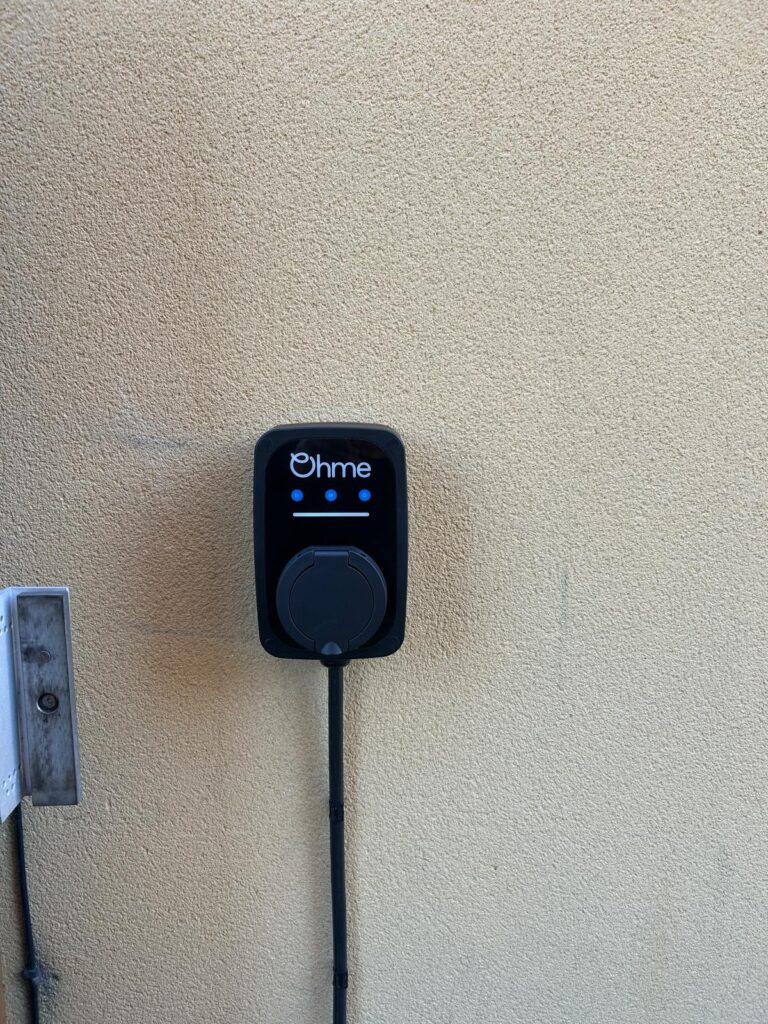
The EV charger market has matured considerably, and many manufacturers now prioritise design as well as performance. Slim-profile units in neutral colours white, grey, or black can blend seamlessly with rendered or brick walls. Some chargers, such as the Ohme ePod, the Pod Point Solo 3, and the Wallbox Pulsar Plus, are specifically designed for a minimal, low-profile appearance. If aesthetics are a priority, look for units with a smooth front panel, no visible cables when not in use (tethered models should have a cable management solution), and a colour that matches your wall or garage door.
Installation Location Matters
Where you install your charger is as important as which unit you choose. Installing the charger on a side wall or within a garage keeps it out of direct sightlines from the street. If your property has a garage or outbuilding, this is often the ideal location the charger is completely hidden from view while still being highly practical. For properties without a garage, consider the wall closest to the parking space but least visible from the street. Underground or ground-level installations are also possible in some driveways, though these are more expensive and complex to execute.
Cable Management Solutions
One of the most significant aesthetic challenges with EV charger installations is managing the cable between the charger and the vehicle. An untidy cable coiled on the driveway or draped across the ground is both unsightly and a trip hazard. Solutions include tethered chargers with integrated cable hooks or holsters, retractable cable systems that spring back into position when not in use, and cable conduit systems that route the cable neatly along the wall or driveway edge. For the cleanest possible look, a socketed charger with no attached cable means the only hardware on your wall is a compact socket unit, and you store the charging cable in your vehicle when not in use.
Listed Buildings and Conservation Areas
If your property is a listed building or located in a conservation area as many Bristol and Somerset homes are additional planning considerations apply. In these cases, external fixtures such as EV chargers may require Listed Building Consent or Conservation Area Consent before installation can proceed. The key is to choose a charger and installation method that minimises visual impact on the historic character of the building. This might mean selecting a charger in a heritage-appropriate colour, using concealed surface wiring where possible, or discussing options with your local planning authority before proceeding. Many local authorities are receptive to sympathetic EV charger installations that support the transition away from fossil fuels.
Integrating the Charger into Your Landscaping
For homeowners with landscaped driveways, there is scope to integrate the charging infrastructure more creatively into the garden design. Chargers can be set within brick or stone piers that match the existing wall or gateposts, or installed within purpose-built wooden or composite enclosures that harmonise with garden fencing or decking. Some homeowners in rural Somerset properties have gone further, housing the charger within a discrete outbuilding or garden structure that serves multiple purposes. With a little imagination and the input of a skilled installer and possibly a landscape designer, the charger can become a feature rather than an eyesore.
Working with Your Installer on Aesthetics
Not all EV charger installers give equal priority to aesthetics. When briefing potential installers, make clear from the outset that kerb appeal is a priority. Ask to see examples of previous installations at similar property types. Discuss cable routing options in detail the difference between surface-mounted conduit and recessed cable runs can be significant visually. A good installer will take the time to understand your aesthetic concerns and propose a solution that works both functionally and visually. Do not hesitate to request a site survey before committing to an installer.
Conclusion
An EV charger installation does not have to compromise the appearance of your home. With the right charger, thoughtful installation placement, smart cable management, and where necessary, compliance with planning requirements, you can enjoy the full convenience of home charging without sacrificing your property’s kerb appeal. In fact, a well-executed discreet installation can subtly enhance the impression that your home is modern, efficient, and forward-thinking qualities that resonate strongly with today’s property buyers.
LPSEV Charging Powering the future with innovative, reliable, and smart EV charging solutions designed for modern businesses and sustainable transportation needs.
Contact Us with our team today to discover high-quality EV charging solutions, expert support, and customized services tailored to your requirements.
