
Introduction
An EV charger is a significant home investment, and like any electrical appliance or system, it requires proper care to function reliably over the long term. While modern home chargers are generally robust, failures do occur and when they do, the consequences range from inconvenient to costly. Understanding the most common causes of EV charger failure, and how professional maintenance can prevent them, can save you both money and the frustration of an unexpected breakdown. Here are the five most common reasons EV chargers fail, and what you can do about them.
Reason 1: Electrical Faults and Wiring Degradation
The most frequent cause of EV charger failure is an underlying electrical fault, either within the charger itself or in the wiring that connects it to your home’s supply. Over time, wiring connections can loosen due to thermal expansion and contraction cycles during regular charging. Degraded insulation, corroded terminals, or undersized cables can lead to overheating, circuit breaker trips, or complete charger failure. Professional maintenance includes a thorough inspection of all wiring connections, terminal tightening, insulation condition checks, and verification that the cable gauge is appropriate for the charger’s rated current. Catching these issues early prevents both expensive repairs and potential fire hazards.
Reason 2: Software and Firmware Glitches
Modern smart EV chargers are essentially computers with a power delivery function. Like any computing device, they rely on software and firmware to operate correctly. Bugs in firmware, failed over-the-air updates, connectivity issues with cloud servers, and incompatibility with your vehicle’s charging protocol can all cause a charger to malfunction or fail to charge altogether. In some cases, a simple restart resolves the issue. In others, a full factory reset or firmware reinstallation is required. Professional maintenance services typically include a firmware health check, software diagnostics, and verification that the charger is communicating correctly with your vehicle and any associated apps or energy management systems.
Reason 3: Environmental Damage and Weather Exposure
Outdoor EV chargers face a range of environmental challenges, from rain and frost to UV radiation and physical impact. Even units with high IP ratings can develop ingress issues over time if seals deteriorate or the enclosure is damaged. Frost can crack plastic components, moisture can corrode internal circuit boards, and prolonged UV exposure can degrade housing materials. Professional maintenance involves checking the integrity of the charger enclosure, inspecting and replacing weatherproof seals where necessary, and clearing any debris from ventilation slots. Chargers installed in exposed locations should be checked at least annually to ensure environmental protection remains effective.
Reason 4: Connector and Cable Damage
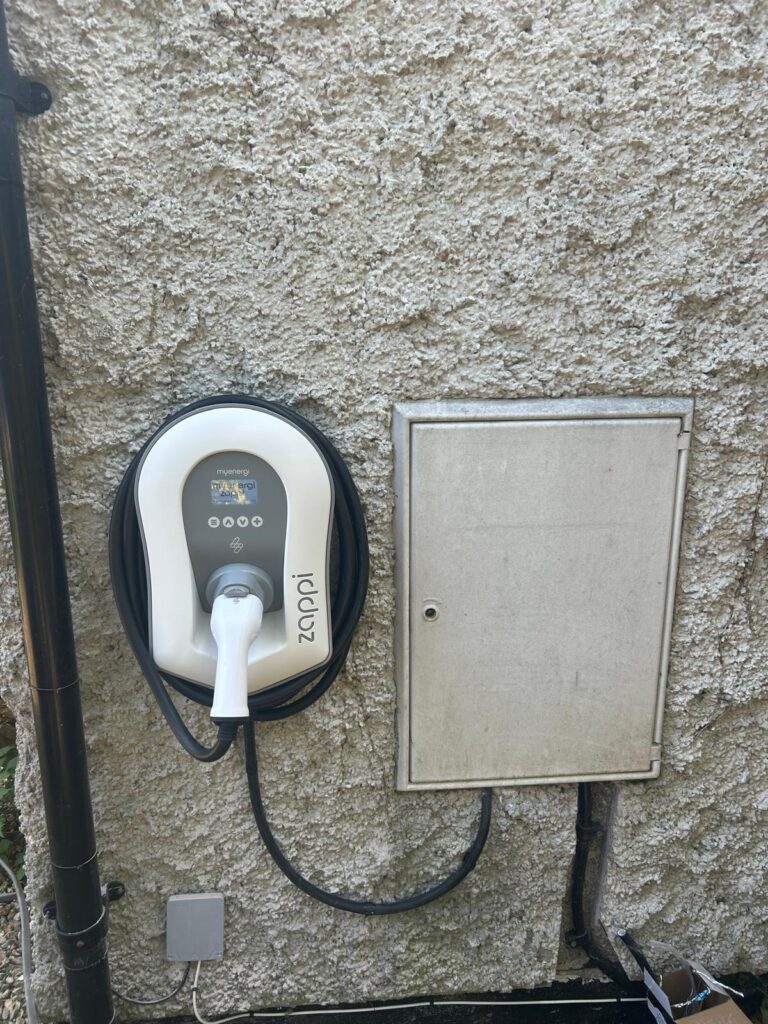
The physical connection point between the charger and your vehicle is the most frequently used component and therefore the most prone to wear. Tethered cables, where the cable is permanently attached to the charger, are subjected to repeated bending, pulling, and temperature changes. Over time, the cable jacket can crack, the connector housing can become damaged, and the electrical contacts inside the connector can wear or corrode. A damaged connector is not just a performance issue it is a safety risk. Professional maintenance includes a thorough inspection of the cable condition, connector integrity checks, and if necessary, cable replacement before a fault develops into a dangerous failure.
Reason 5: Overheating and Thermal Management Failures
EV chargers generate heat during operation, particularly when charging at higher rates over extended periods. Most chargers have built-in thermal management systems that reduce charging speed or temporarily pause charging if temperatures exceed safe limits. However, if ventilation is blocked, if the charger is installed in a poorly ventilated location, or if internal thermal management components fail, overheating can cause permanent damage to the charger’s electronics. Preventative maintenance includes checking that all ventilation openings are clear, verifying the thermal management system is functioning correctly, and confirming that the installation environment remains suitable for safe charger operation.
The Value of a Professional Maintenance Contract
Many EV charger installers and specialist maintenance companies now offer annual service contracts for home and commercial chargers. These typically include a scheduled inspection covering all the areas outlined above, priority response in the event of a fault, software updates, and documentation of the charger’s condition for warranty and insurance purposes. The cost of an annual maintenance contract is modest compared to the cost of a fault diagnosis, repair, or full charger replacement. For businesses operating fleets or for homeowners who rely on their charger daily, a maintenance contract provides peace of mind and operational reliability.
Conclusion
EV charger failures are preventable in the majority of cases. By understanding the common causes of charger malfunction and investing in regular professional maintenance, you can significantly extend the lifespan of your charging equipment, avoid unexpected breakdowns, and ensure the safety of your home’s electrical system. Your EV charger works hard every day give it the care it deserves.
LPSEV Charging Powering the future with innovative, reliable, and smart EV charging solutions designed for modern businesses and sustainable transportation needs.
Contact Us with our team today to discover high-quality EV charging solutions, expert support, and customized services tailored to your requirements.
