Introduction
Bristol’s Clean Air Zone has been a defining feature of the city’s transport landscape since its introduction, and in 2026, it continues to affect thousands of drivers daily. Whether you drive a diesel van for work, an older petrol car, or a vehicle that does not meet Euro 6 emission standards, the financial impact of the CAZ can be significant. But there is a clear path to avoiding these charges entirely: switching to an electric vehicle and charging at home. This guide breaks down the CAZ rules, quantifies the cost savings from home charging, and helps you understand why the switch makes compelling financial sense.
How the Bristol Clean Air Zone Works
Bristol’s Clean Air Zone operates 24 hours a day, seven days a week, covering the city centre and surrounding roads. Vehicles that do not meet the required emission standards Euro 6 for diesel and Euro 4 for petrol are charged a daily fee when they enter the zone. Private cars face a daily charge of £9, while taxis, light goods vehicles, and larger vehicles face higher charges. Charges are applied automatically using Automatic Number Plate Recognition cameras, and the daily fees accumulate regardless of how many times you enter the zone in a single day, making frequent city centre drivers particularly vulnerable to high monthly bills.
The Real Cost of Driving a Non-Compliant Vehicle
For many Bristol residents and businesses, the cumulative cost of Clean Air Zone charges is substantial. A worker driving a non-compliant car into central Bristol five days a week faces a charge of £45 per week, equating to over £2,300 per year. For van drivers making multiple daily city centre deliveries, the charges can be significantly higher. When combined with fuel costs for older, less efficient vehicles, the financial case for switching to a compliant or zero-emission alternative becomes very strong indeed. Many Bristol drivers have already made this calculation and switched to EVs as a direct result.
Why Home Charging Makes EVs Economically Compelling
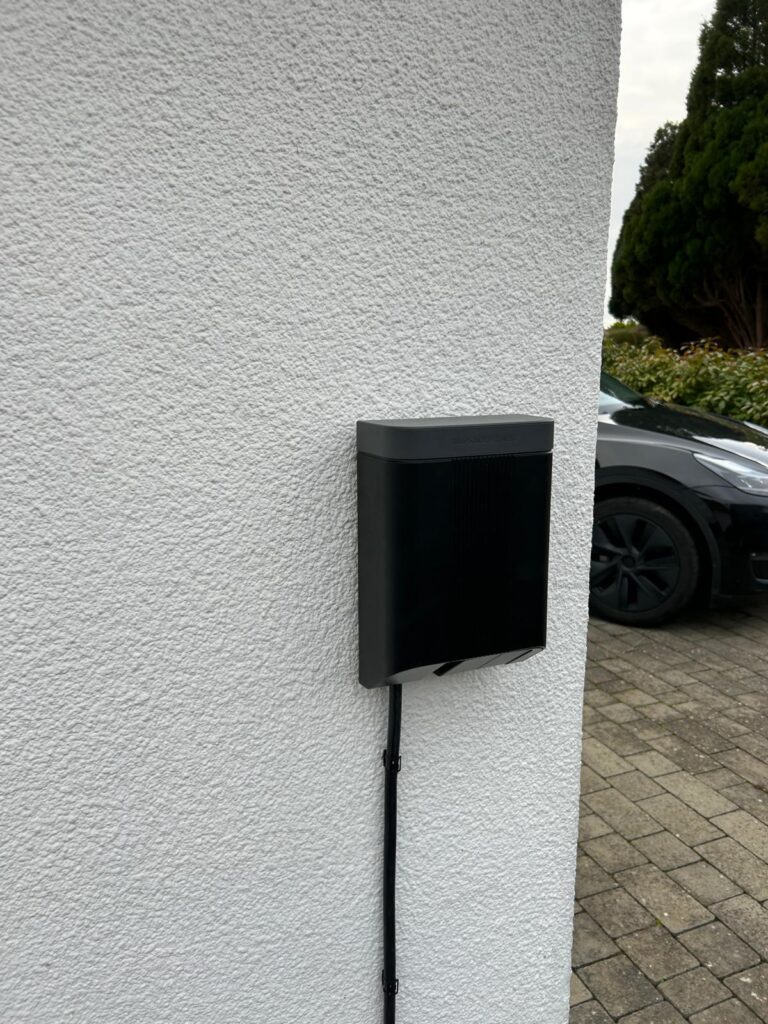
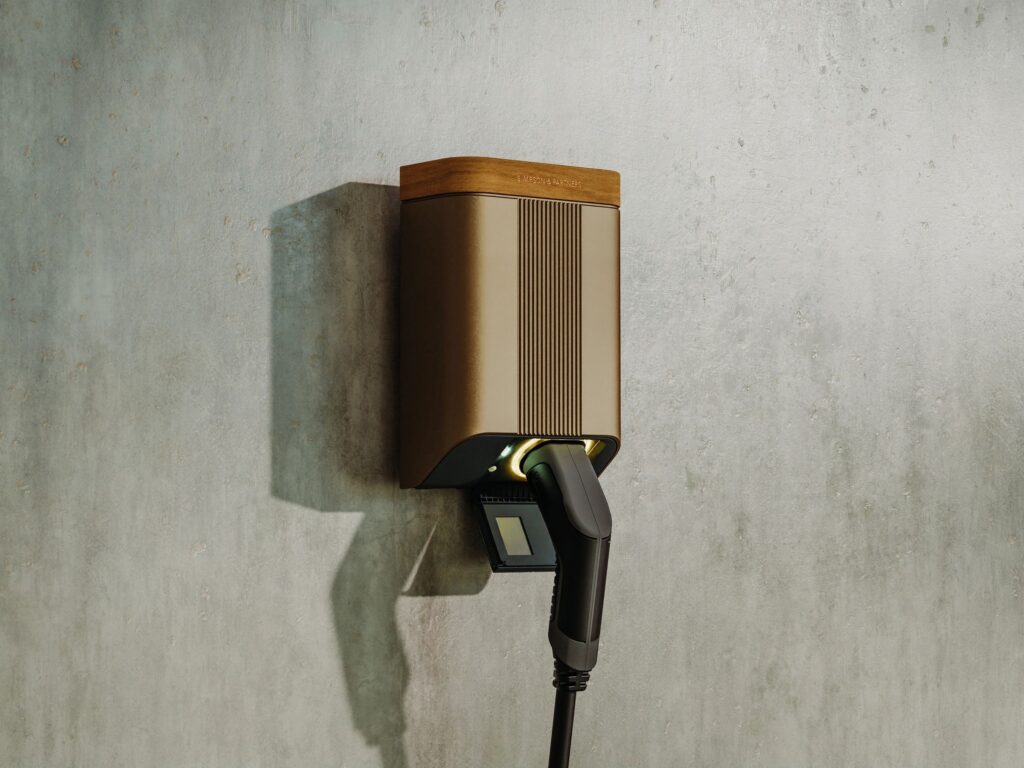
One of the most significant advantages of electric vehicle ownership is the ability to charge at home. The average cost of electricity on a standard domestic tariff in the UK is approximately 24p per kilowatt-hour. An EV with a 60kWh battery costs approximately £14 to charge from empty to full at home, providing a range of around 200-250 miles. Compare this to filling a petrol or diesel car with a similar range, which typically costs £40-£60 at current fuel prices. For Bristol drivers who previously faced both fuel costs and Clean Air Zone charges, the combined savings from switching to an EV with home charging can exceed £4,000 per year.
Off-Peak Charging: Maximising Your Savings
Home charging savings can be maximised by charging your EV during off-peak electricity hours. Several energy suppliers offer EV-specific tariffs, such as Octopus Intelligent Go or British Gas Electric Driver, that offer electricity at significantly reduced rates during overnight hours sometimes as low as 7-9p per kilowatt-hour. Using these tariffs, a full charge can cost as little as £4-5, making the cost per mile of electric driving exceptionally low. Smart chargers can be programmed to automatically start charging at the optimal time, requiring no manual intervention.
Grants and Incentives for Bristol EV Owners
Bristol residents switching to EVs benefit from a range of financial incentives. The OZEV EV chargerpoint grant provides up to £350 towards the cost of a home charger installation for eligible homeowners and flat owners. Bristol City Council has also partnered with several on-street charging providers to expand public charging for residents without off-street parking. Additionally, EVs are exempt from Vehicle Excise Duty (road tax) and benefit from significantly lower company car tax rates, making them attractive for business drivers operating in the CAZ.
Choosing the Right EV for Bristol City Life
Bristol’s combination of urban and suburban driving, combined with the CAZ, makes a range of EVs suitable for city residents. Compact city EVs such as the Renault 5 E-Tech, Vauxhall Corsa Electric, and MG4 are well-suited to Bristol’s streets and offer excellent efficiency. For those needing more space or longer range, the Tesla Model 3, Peugeot e-308, and Volkswagen ID.4 are popular choices. The key is to choose a vehicle with sufficient range for your typical weekly usage and the capability to charge at your preferred speed at home.
Conclusion
The Bristol Clean Air Zone is not going away if anything, the environmental and public health rationale for cleaner air in the city continues to grow stronger. For drivers of non-compliant vehicles, the financial burden of daily charges is a powerful incentive to switch. An electric vehicle combined with a home charger not only eliminates the Clean Air Zone charge entirely but also dramatically reduces fuel costs and maintenance expenses. The numbers speak clearly: for most Bristol drivers, switching to an EV is not just the green choice it is the smart financial one.
LPSEV Charging Powering the future with innovative, reliable, and smart EV charging solutions designed for modern businesses and sustainable transportation needs.
Contact Us with our team today to discover high-quality EV charging solutions, expert support, and customized services tailored to your requirements.
