Introduction
Imagine your electric vehicle not just being a mode of transport, but also acting as a home battery that powers your house during peak times and even earns you money. This is the promise of Vehicle to Grid, or V2G, technology and it is rapidly becoming a reality for homeowners across Somerset. In this guide, we explore what V2G technology is, how it works, whether your home and vehicle are compatible, and what steps you can take today to become V2G ready.
What is Vehicle to Grid Technology?
Vehicle to Grid technology allows your EV battery to send stored electricity back to the home or the national grid. Unlike standard EV charging, which is a one-way process, V2G creates a bidirectional energy flow. When energy prices are low typically at night your car charges up. During peak demand periods, when electricity is more expensive, your car can export that stored energy back to the grid or power your home directly. This makes your electric vehicle not just a transport asset but an active participant in the energy market.
Why Somerset is Well-Positioned for V2G
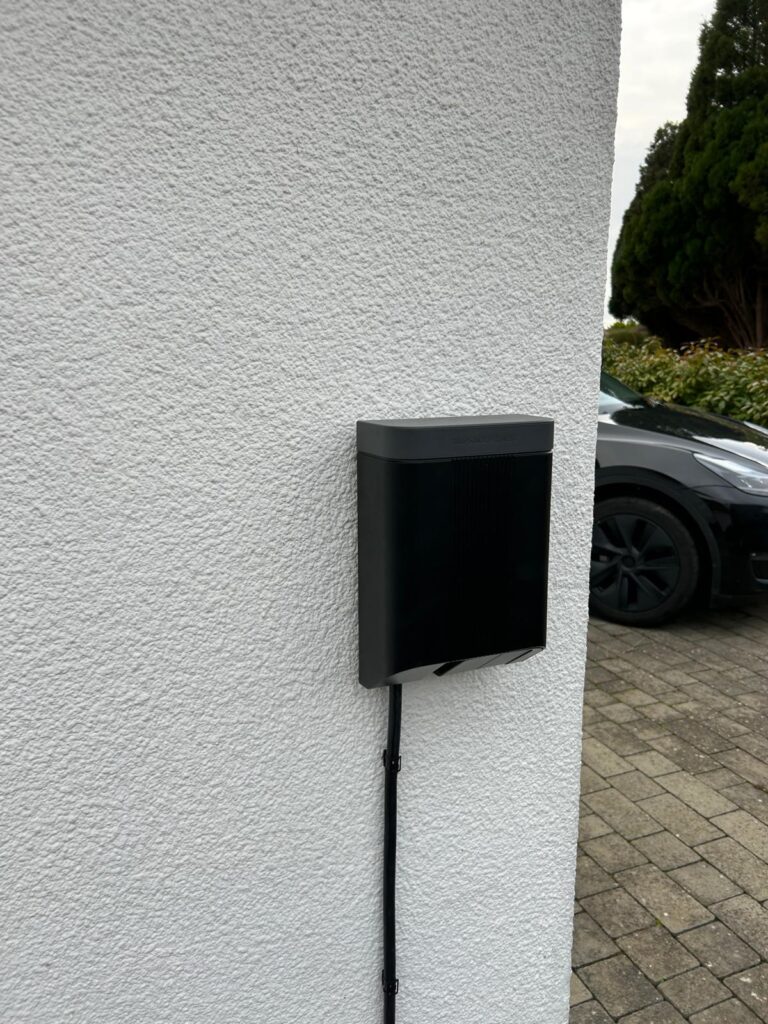
Somerset’s mix of rural and semi-rural properties, many of which already have solar panels installed, makes it an ideal candidate for V2G adoption. Homeowners in the region tend to have private driveways and garages, which simplifies charger installation. Furthermore, Somerset’s strong community energy networks and growing interest in sustainability create a receptive environment for innovative energy technologies. Several rural Somerset communities are already exploring microgrid setups where V2G-enabled vehicles form part of the local energy storage solution.
Compatible Vehicles and Chargers
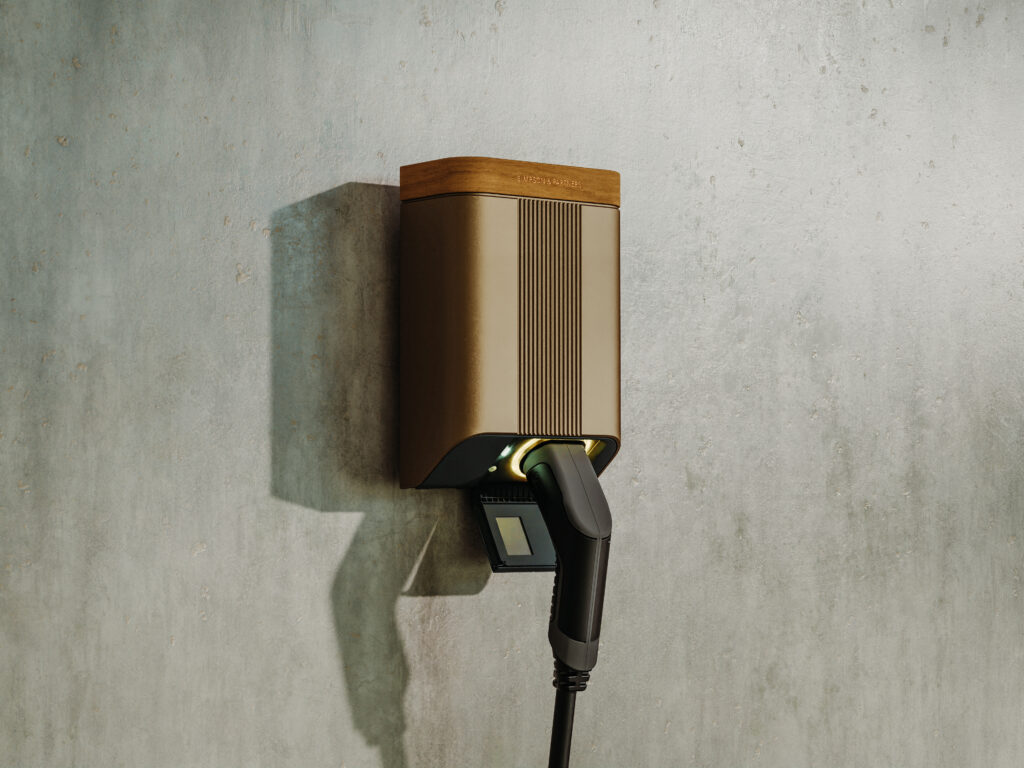
Not all EVs are V2G compatible. Currently, vehicles such as the Nissan Leaf (with CHAdeMO port), the Mitsubishi Outlander PHEV, and newer models from Hyundai and Kia with CCS bidirectional charging support V2G functionality. The technology is also being built into upcoming models from Volkswagen, Ford, and others. For your home, you will need a bidirectional charger, also known as a V2G charger, from providers such as Wallbox, Quasar, or OVO Energy’s V2G tariff scheme. These chargers are more expensive than standard units but the financial returns can offset the initial investment over time.
Home Electrical Requirements
Before installing a V2G system in your Somerset home, your property must meet certain electrical requirements. You will need a three-phase or sufficiently rated single-phase electricity supply, a smart meter, and a consumer unit capable of supporting bidirectional current. Most modern homes built after 2000 in Somerset are likely to meet these requirements, but older properties may need electrical upgrades. It is strongly recommended that a qualified electrician carries out a full assessment before you commit to a V2G setup.
Financial Benefits of Going V2G
The financial case for V2G in Somerset homes is compelling. By exporting electricity during peak tariff periods, homeowners can earn significant credits on their energy bills. Octopus Energy and Ovo Energy both offer smart tariffs that reward V2G users. Estimates suggest that a typical V2G user in the UK can save or earn between £500 and £1,200 per year depending on their driving habits, vehicle battery capacity, and energy tariff. When combined with solar panels, the savings can be even greater, as excess solar energy can be stored in the car during the day and exported during the evening peak.
Grid Benefits and Energy Security
Beyond individual financial gains, V2G technology contributes to broader grid stability. The UK grid faces increasing pressure from variable renewable energy sources like wind and solar. V2G vehicles act as distributed storage, absorbing excess renewable energy when supply exceeds demand and releasing it when demand peaks. For Somerset communities affected by occasional power outages or grid instability, V2G-enabled vehicles can also provide vehicle-to-home power, keeping lights on and heating running during disruptions.
How to Get Started with V2G in Somerset
If you are interested in making your Somerset home V2G ready, start by checking whether your current or planned EV supports bidirectional charging. Contact a local OZEV-approved installer to assess your home’s electrical infrastructure. Register your interest with energy suppliers offering V2G tariffs and explore available grants through Innovate UK and local Somerset councils. The investment in V2G today positions your home at the forefront of the clean energy transition and sets you up for significant long-term savings.
Conclusion
Vehicle to Grid technology is transforming the way we think about electric vehicles and home energy. For Somerset homeowners, the combination of existing solar infrastructure, supportive energy tariffs, and a growing range of compatible vehicles makes V2G a genuinely exciting prospect. By turning your car into a battery, you are not just driving the future you are helping to power it.
LPSEV Charging Powering the future with innovative, reliable, and smart EV charging solutions designed for modern businesses and sustainable transportation needs. Contact Us with our team today to discover high-quality EV charging solutions, expert support, and customized services tailored to your requirements.
