Electric vehicles are no longer just a mode of transport. With the rise of V2H charging and bidirectional EV charging, your car can now act as a powerful energy asset for your home. This next generation technology allows energy to flow both ways, turning your EV into a backup power source and a tool for reducing electricity costs. As adoption grows, homeowners are starting to evaluate whether their current setup is ready for this shift.
What Is V2H Charging
V2H charging, also known as vehicle to home technology, allows energy stored in your electric vehicle battery to be used to power your home. Instead of drawing electricity only from the grid, your home energy system can pull power directly from your EV when needed.
Concept and basics
In a traditional setup, energy flows in one direction from the grid to your charger and into your vehicle. With V2H technology, this flow becomes reversible. A bidirectional charger enables energy to move from the vehicle back into the home. This means your EV becomes a mobile energy storage unit that can support your household during peak demand or outages.
How Bidirectional Charging Works
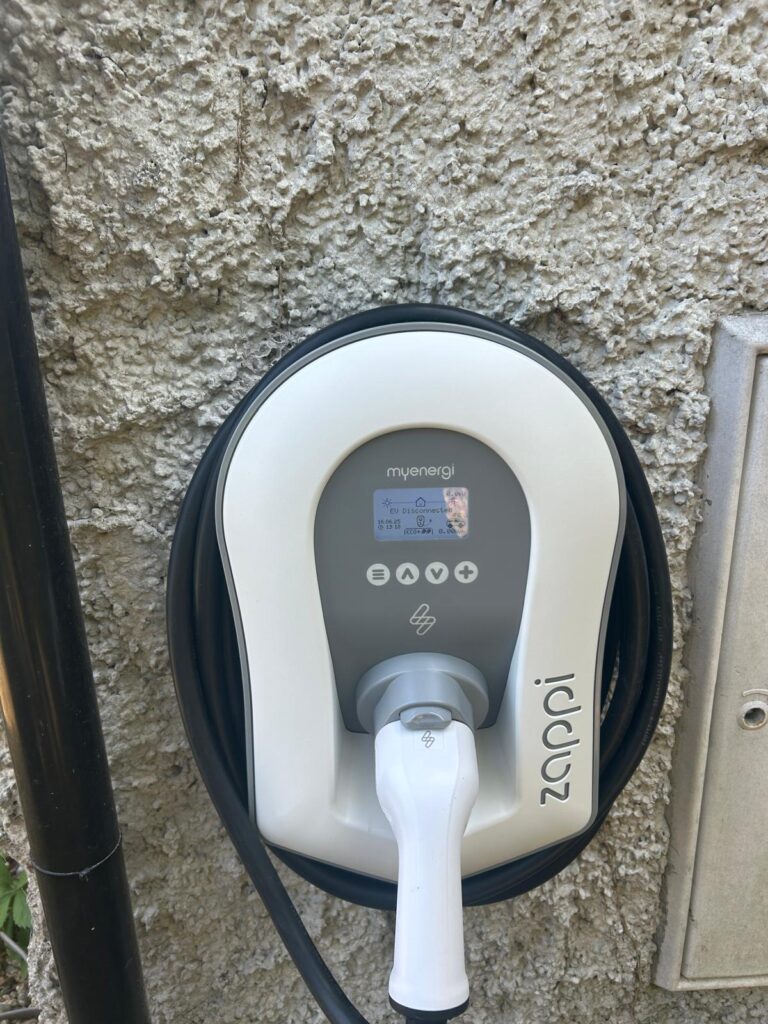
Bidirectional EV charging is the foundation of V2H systems. It enables controlled energy flow between your electric vehicle battery and your home.
Energy flow explanation
A bidirectional charger, combined with a smart inverter, manages the direction of electricity. When your EV is charged, it stores energy like a battery system. When your home requires power, the system converts and supplies that stored energy back into your home circuits. Advanced power management systems ensure that energy is used efficiently without damaging the vehicle battery or home infrastructure.
V2H vs V2G
Understanding the difference between V2H and V2G is essential before upgrading your system.
Key differences
V2H charging focuses on supplying energy from your EV directly to your home. It is designed for personal use, helping with energy backup and reducing reliance on the grid.
V2G, or vehicle to grid technology, allows your EV to send energy back to the electricity grid. This supports grid stability and can potentially generate income through energy trading programs.
For most homeowners, V2H is the more practical and accessible solution, while V2G is still developing in many regions.
Benefits of V2H for Homeowners
V2H charging delivers real world advantages that go beyond convenience.
Backup power
One of the biggest benefits is reliable backup power. During outages, your EV can keep essential appliances running, including lighting, refrigeration, and internet systems. This makes it a strong alternative to traditional generators.
Cost savings
By using stored energy during peak electricity rates, homeowners can significantly reduce electricity bills. Charging your EV during off peak hours and using that energy later creates a more cost efficient energy cycle.
In addition, V2H systems contribute to energy independence. Instead of relying entirely on the grid, you gain more control over how and when energy is used in your home.
Is Your Home Ready
Before adopting V2H charging, it is important to assess whether your home and equipment can support this technology.
Infrastructure requirements
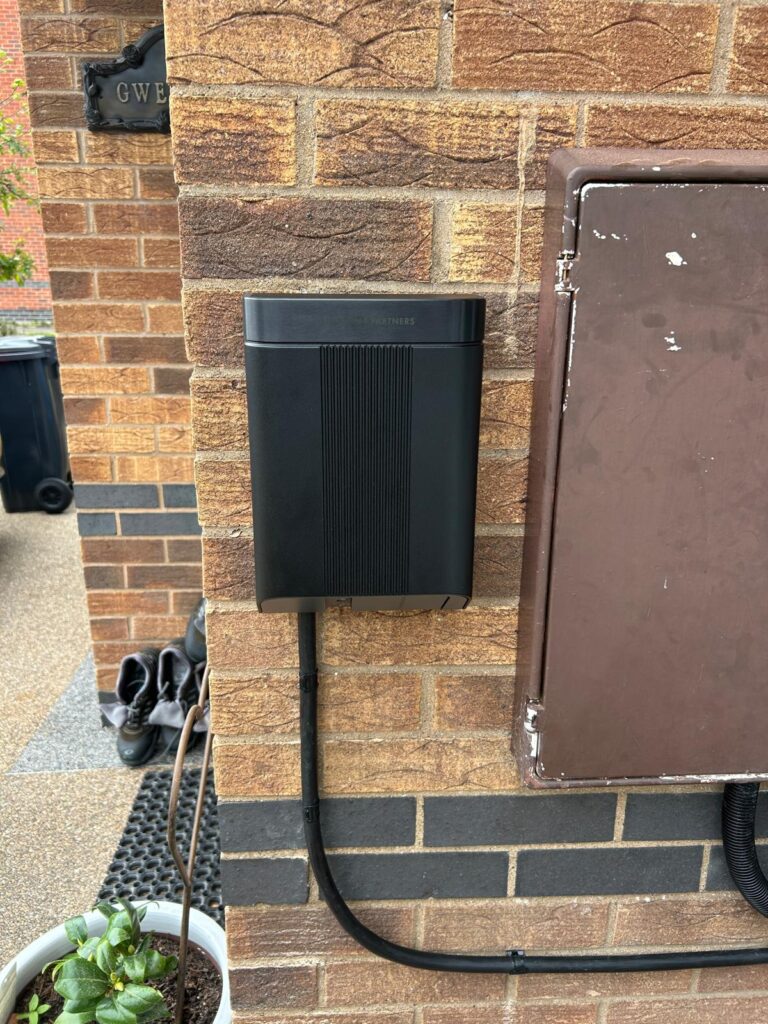
You will need a compatible bidirectional charger, a smart inverter, and an updated home energy system. Electrical wiring must be capable of handling reverse energy flow safely. In some cases, upgrades to your distribution board may also be required.
Compatible EVs
Not all electric vehicles support bidirectional EV charging. Only specific models with the right battery technology and software capabilities can enable V2H functionality. Checking compatibility is a critical first step before installation.
Challenges and Limitations
While V2H technology offers many benefits, there are still some barriers to consider.
Cost
The initial setup cost for bidirectional chargers and supporting systems can be higher than standard EV charging installations. However, long term savings often offset this investment.
Availability
V2H technology is still emerging, especially in regions like the UK. Although adoption is increasing, availability of compatible vehicles and infrastructure remains limited compared to traditional systems.
Future of EV Energy Systems
The future of EV charging is closely tied to smart energy ecosystems.
Smart grids
As smart grids become more advanced, V2H and V2G systems will play a key role in balancing energy demand. Homes equipped with bidirectional charging will be able to interact dynamically with the grid.
Renewable integration
V2H systems work exceptionally well with solar panels and other renewable sources. Excess solar energy can be stored in your EV during the day and used at night, creating a fully integrated home energy solution.
In the UK, pilot programs and early adoption trends show that bidirectional EV charging will become more mainstream as infrastructure improves and energy policies evolve.
How LPSEV Charging Supports Next-Gen Tech
LPSEV Charging is actively supporting homeowners in preparing for advanced EV technologies.
Installation readiness
Their team assesses your current setup to determine whether your home is ready for V2H charging. This includes evaluating electrical systems, charger compatibility, and safety requirements.
System upgrades
LPSEV Charging offers tailored upgrade solutions, including installation of bidirectional chargers, smart energy systems, and integration with renewable energy setups. Their expertise ensures a smooth transition to next generation EV charginghttps://lpsevcharging.com/ev-charger-installation-services/ technology.
FAQs
1. What is the difference between bidirectional EV charging and V2H charging?
Bidirectional charging refers to the ability of energy to flow both ways, while V2H is a specific application where that energy is used to power your home.
2. Can every electric vehicle support V2H technology?
No, only certain EV models with compatible hardware and software can support V2H charging.
3. Is V2H charging worth the investment?
For many homeowners, V2H provides long term savings, backup power, and greater energy independence, making it a valuable investment.
