The concept of home energy independence has evolved from a luxury to a strategic necessity for modern homeowners. As the world shifts toward electric mobility, the relationship between how we power our homes and how we fuel our vehicles has become inseparable.
By integrating solar energy production with dedicated electric vehicle (EV) charging infrastructure, you create a self-sufficient powerhouse. LPSEV Charging is at the forefront of this transition, providing the expertise and technology required to turn a standard residence into a private, renewable utility station that minimizes reliance on the traditional electrical grid.
How Solar EV Charging Works
The synergy between solar panels and electric vehicles relies on a sophisticated yet manageable flow of energy. Solar photovoltaic (PV) panels installed on your property capture sunlight and generate direct current (DC) electricity. Since your home appliances and vehicle charging systems require alternating current (AC), a high quality inverter is used to convert this energy.
When your vehicle is connected to an LPSEV Charging station, the system intelligently monitors energy production. If your solar panels are generating a surplus during daylight hours, that “green” electricity is funneled directly into your car’s battery. This direct consumption model is the most efficient way to use renewable energy, as it avoids the minor losses associated with sending power back to the utility grid. In an optimized setup, your car becomes a secondary storage unit for the clean energy your roof produces.
Benefits of Combining Solar and EV Charging
The most immediate benefit of this pairing is the dramatic reduction in household operating costs. Charging an EV from the grid is significantly cheaper than buying gasoline, but charging with solar energy can reduce your transportation fuel costs to zero. Over the lifespan of a vehicle, these savings represent a massive financial gain.
Beyond the wallet, the environmental impact is profound. An electric vehicle is only as clean as the power used to charge it. By utilizing solar panels, you ensure that your daily commute is powered by 100% renewable energy, effectively eliminating the carbon emissions associated with both fuel extraction and grid power generation. LPSEV Charging helps homeowners achieve a truly sustainable lifestyle where their mobility does not come at the cost of the planet.
Role of Battery Storage
To achieve maximum energy independence, integrating a home battery storage system is essential. Solar energy production peaks during the middle of the day, often when your vehicle might be away from home. A battery system acts as a reservoir, capturing that excess midday solar energy so it can be used later.
For most homeowners, the most convenient time to charge an EV is overnight. With a battery storage solution from LPSEV Charging, you can discharge the solar energy collected during the afternoon into your vehicle at night. This eliminates the need to pull expensive electricity from the grid during evening hours, ensuring that your car runs on “stored sunshine” even when the sun is not shining.
System Requirements
A successful solar EV charging ecosystem requires careful technical synchronization.
- Solar Array Size: Your solar capacity must be calculated to cover both your baseline home usage and the kilowatt hours required for your daily driving.
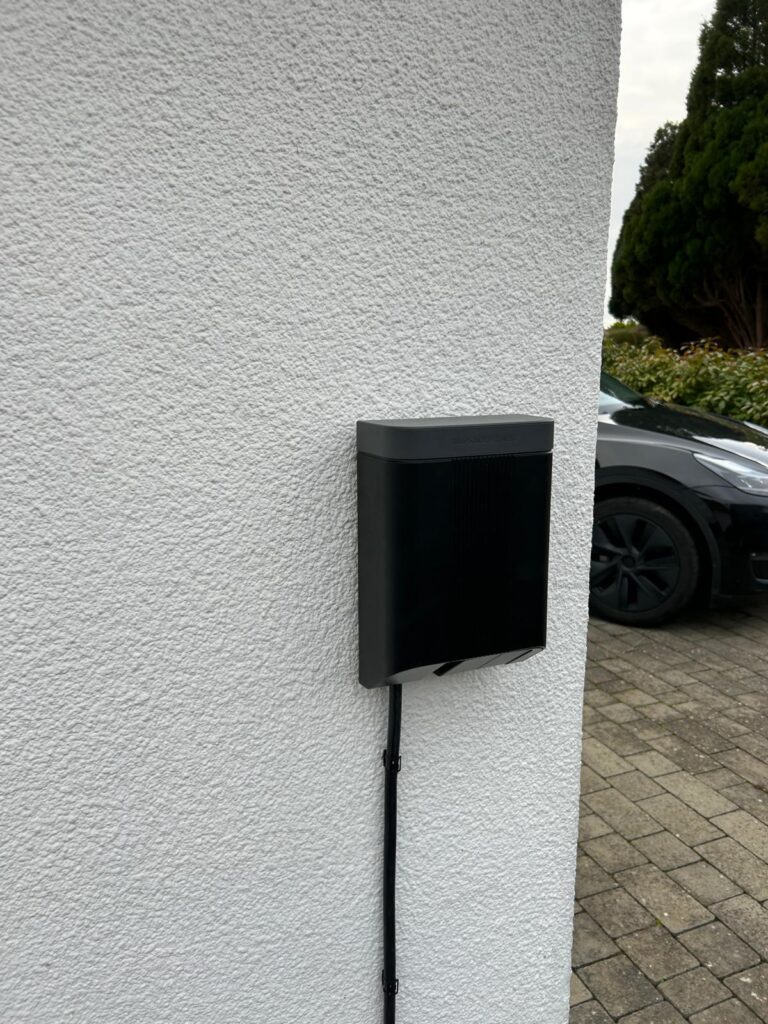
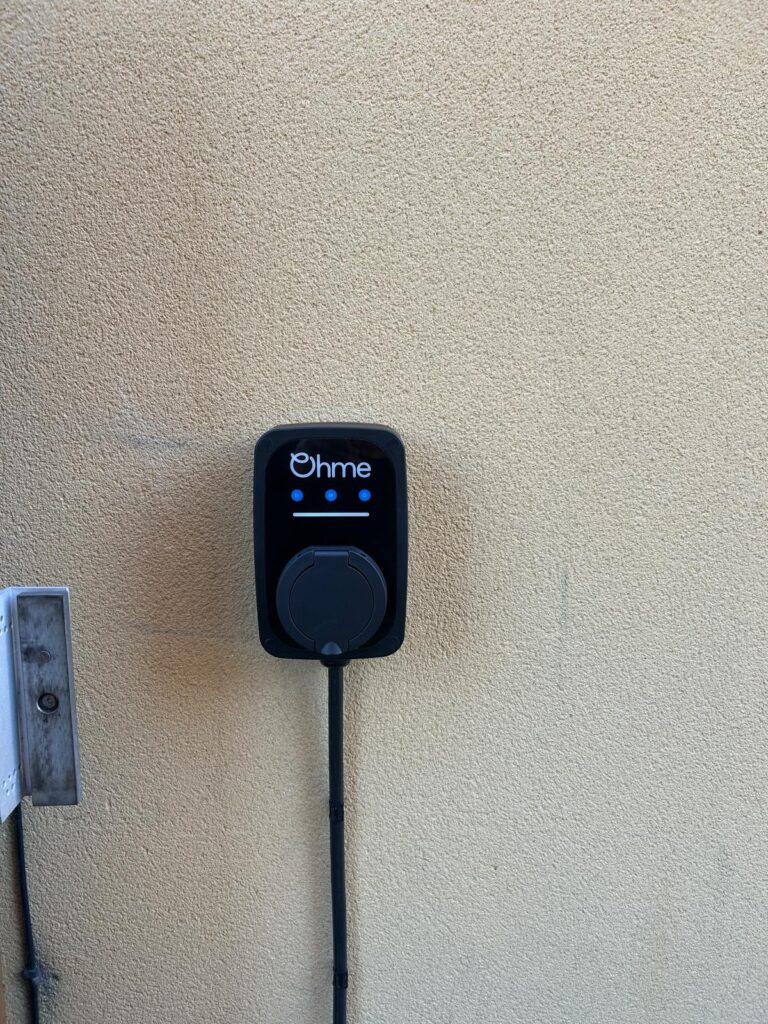
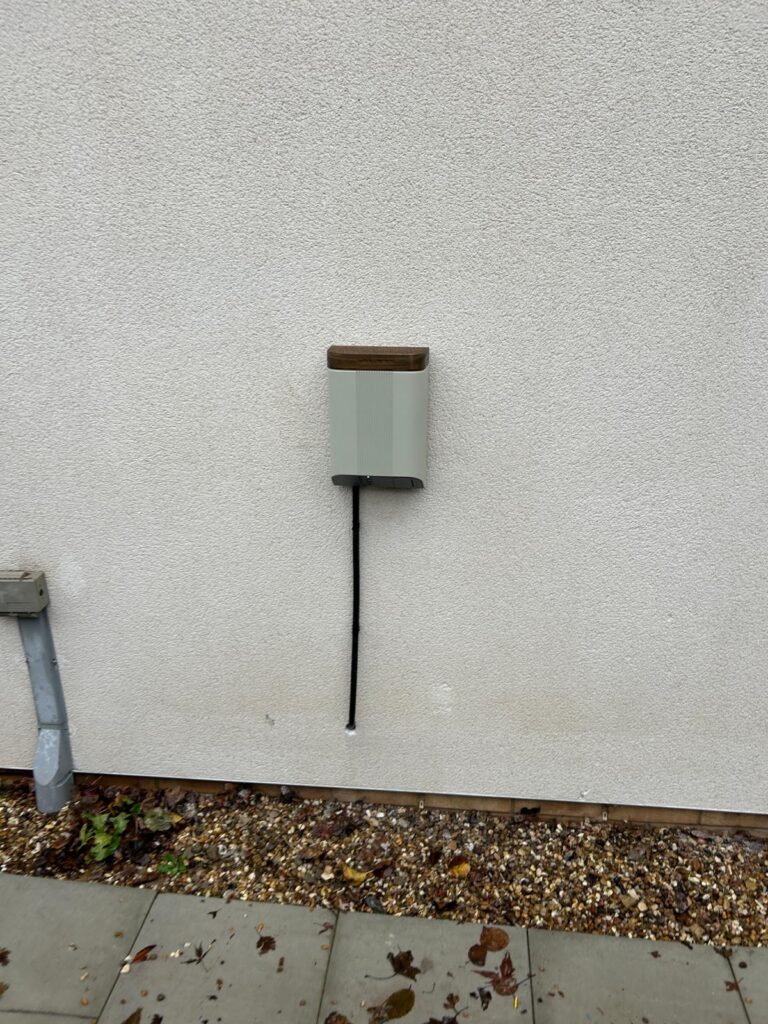
- Smart EV Charger: LPSEV Charging utilizes advanced Level 2 charging stations that can communicate with solar monitoring software.
- Electrical Panel Evaluation: Your home’s electrical panel must be evaluated to ensure it can handle the increased load of high speed charging alongside existing household demands.
Cost vs Long-Term Savings
While the initial investment in a combined solar and EV charging system is higher than a standalone installation, the return on investment (ROI) is significantly faster. You are essentially pre paying for 25 years of home electricity and vehicle fuel at a fixed, lower rate.
Most LPSEV Charging clients see their systems pay for themselves within 7 to 9 years through a combination of tax incentives, avoided fuel costs, and reduced utility bills. Once the payback period is complete, the energy generated is essentially free.
Common Mistakes to Avoid
One of the most frequent mistakes is undersizing the solar array. Homeowners often calculate their needs based on their current electricity bill without accounting for the extra 30% to 50% energy demand that an electric vehicle can introduce.
Another common pitfall is neglecting the integration between the solar software and the EV charger. Using a “dumb” charger that cannot communicate with the solar inverter often results in pulling power from the grid even when solar energy is available. LPSEV Charging ensures that all components are fully integrated for maximum efficiency.
Why Choose LPSEV Charging
LPSEV Charging provides a holistic approach to home energy. We do not just install hardware; we design integrated energy ecosystems tailored to your specific driving habits and home layout. Our expert setup process includes a detailed analysis of your roof’s solar potential and your vehicle’s charging requirements to ensure a perfect match.
By choosing LPSEV Charging, you are partnering with specialists who understand the intersection of solar technology and automotive engineering. We handle everything from the initial site assessment to the final configuration of your smart charging app.
Frequently Asked Questions
Can I add an EV charger to my existing solar system?
Yes, in most cases an EV charger can be integrated into an existing solar setup. LPSEV Charging can evaluate your current inverter capacity and determine if your solar array needs to be expanded to accommodate the additional energy demand of your vehicle.
Will charging my EV with solar panels damage the car battery?
No, the electricity produced by solar panels is the same as the electricity from the grid once it passes through an inverter. In fact, smart chargers provided by LPSEV Charging can manage the flow of electricity more smoothly, which is healthy for your vehicle’s long term battery life.
What is the best time of day to charge my EV with solar?
The most efficient time to charge is during peak sunlight hours, typically between 10 AM and 4 PM. However, if you have a home battery system installed by LPSEV Charging, you can store that peak energy and charge your vehicle at any time that fits your schedule.
