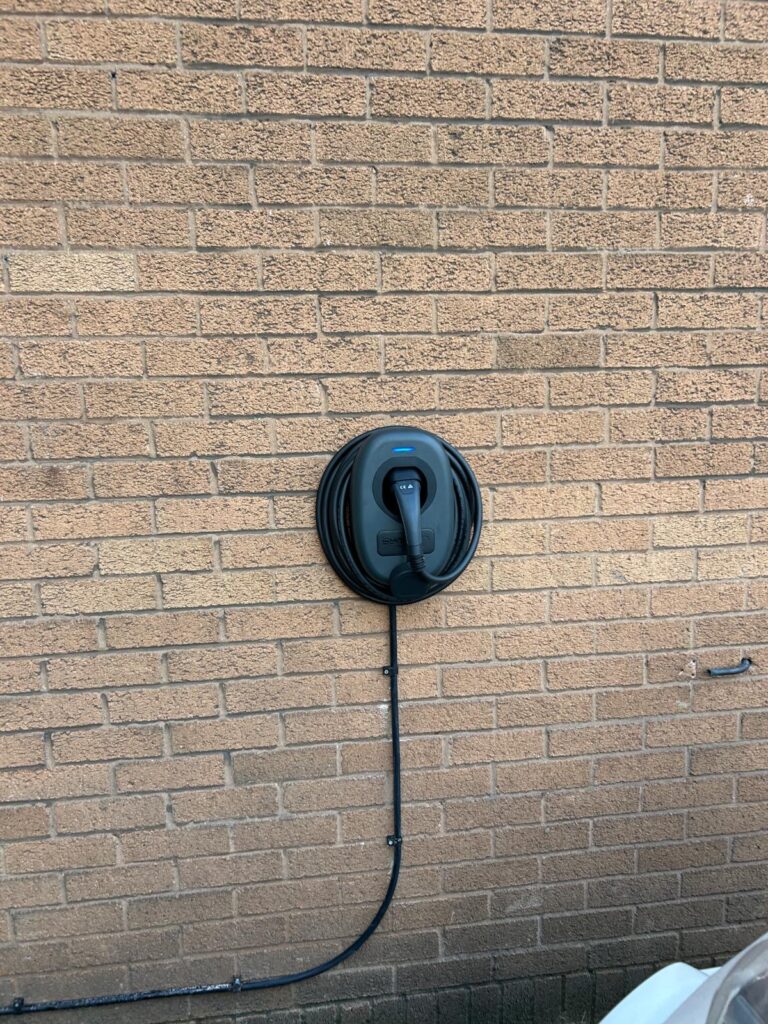
Electric vehicles are becoming a common sight on roads across the world. As adoption increases, many EV owners are discovering that the way they charge their vehicle has a direct impact on their electricity bills. Charging at the wrong time can lead to higher energy costs, while smart off-peak EV charging can significantly reduce expenses.
Smart charging technology combined with time-of-use electricity tariffs allows drivers to schedule charging when electricity prices are lowest. This approach can reduce EV Charging costs by a large margin and in many cases save hundreds of pounds per year.
In this guide, you will learn how smart EV charging works, how off-peak electricity tariffs reduce costs, and how solutions from LPSEV Charging can help you optimize home EV charging for long term savings.
Why EV Charging Costs Are Rising
Electric vehicles are designed to reduce fuel costs compared with petrol or diesel cars. However electricity prices fluctuate throughout the day, and many drivers unknowingly charge during peak demand periods.
Several factors are contributing to rising EV charging costs.
Increasing electricity demand
The number of electric vehicles continues to grow every year. This increased demand puts more pressure on electricity grids, especially during evening hours when most households consume energy.
Peak electricity rates
Energy providers use time-of-use tariffs to manage demand. Electricity is typically more expensive during peak periods when consumption is highest. These peak hours often occur in the evening when people return home from work.
Household energy patterns
Most homes experience the highest electricity usage between early evening and late night. Charging an EV during this time adds extra demand, which often results in higher electricity prices.
Without smart scheduling, EV owners may be charging at the most expensive time of the day.
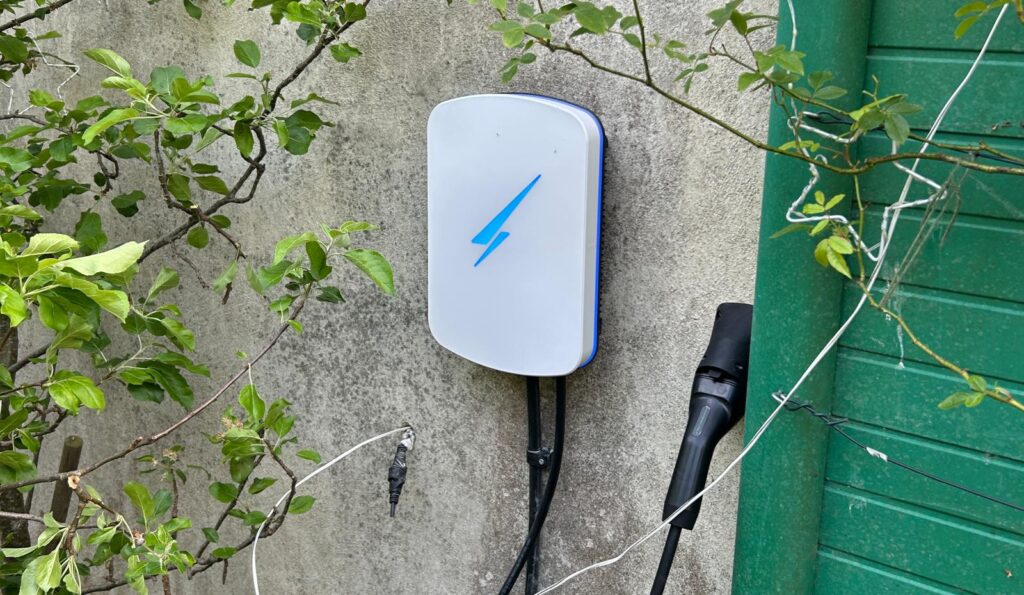
What Is Smart Off-Peak EV Charging?
Smart off-peak EV charging is a system that automatically charges an electric vehicle during the cheapest electricity periods. Instead of plugging in and charging immediately, smart charging software schedules the charging session to begin when electricity demand drops and prices fall.
This usually happens overnight when fewer homes are using power.
Smart EV charging combines several technologies including:
• smart EV chargers
• charging apps
• smart meters
• time-of-use tariffs
• charging automation software
These systems communicate with energy providers and the electricity grid to determine the most efficient charging schedule.
The result is a charging process that is cheaper, more efficient, and better for the electricity grid.
How Off-Peak Charging Works
Understanding how off-peak charging works helps EV owners maximize their savings.
Time-of-Use Electricity Tariffs
Many energy providers offer time-of-use electricity tariffs. These tariffs divide the day into different pricing periods.
Peak periods
Electricity demand is highest and energy prices increase.
Standard periods
Prices are moderate during normal daytime usage.
Off-peak periods
Electricity demand is lowest and prices drop significantly.
Off-peak windows commonly occur between midnight and early morning, often around 12am to 5am.
During these hours electricity prices can be up to 70 percent cheaper compared with peak periods.
Smart Charging Algorithms
Smart EV chargers include charging algorithms that automatically determine the best time to charge.
These algorithms consider several factors including:
electricity prices
grid demand
battery level
charging schedule preferences
Instead of charging immediately when the vehicle is plugged in, the charger waits until the off-peak window begins.
This ensures that charging occurs when electricity is at its lowest cost.
EV Charger Scheduling Apps
Modern smart chargers are usually controlled through a mobile charging app. These apps allow drivers to manage their charging sessions remotely.
Key features often include:
remote monitoring of charging status
automatic charging schedules
energy consumption tracking
electricity cost insights
Using a charging app, drivers can easily set overnight charging schedules and monitor how much energy their vehicle uses.
How Smart EV Charging Can Save You Hundreds
The biggest advantage of smart off-peak charging is the potential to reduce EV charging costs dramatically.
Many studies and energy providers report average annual savings between £379 and £485 when drivers consistently charge during off-peak periods.
With optimized EV tariffs and efficient charging schedules, some drivers save more than £700 per year.
Savings occur for several reasons.
Cheaper overnight electricity
Electricity can be up to 70 percent cheaper during off-peak periods compared with peak hours.
Per charge savings
Charging a 40kWh EV battery during peak hours may cost between £12 and £15. Charging the same battery during off-peak hours can cost between £3 and £6.
That means each charging session can save around £9 or more.
Long term savings
Smart EV chargers typically last more than 10 years. Over that lifespan, total savings can reach £3,000 to £4,500 depending on electricity rates and driving habits.
Real Example: Off-Peak Charging Cost Comparison
To better understand the potential savings, consider a typical EV charging scenario.
Vehicle battery size: 40kWh
Peak electricity charging cost
£12 to £15
Off-peak charging cost
£3 to £6
Average savings per charge
More than £9
If a driver charges their vehicle three to four times per week, the yearly savings can easily reach several hundred pounds.
This example shows how simply adjusting the charging schedule can make a significant difference in overall electricity bills.
Key Technologies Behind Smart EV Charging
Smart charging solutions rely on several interconnected technologies that work together to optimize energy consumption.
Smart EV Chargers
Smart EV chargers are designed to communicate with the electricity grid and charging software. They allow scheduled charging sessions and adjust charging speed based on grid demand.
These chargers are essential for automated off-peak charging.
Charging Management Software
Charging management platforms monitor energy consumption and control charging schedules. They help ensure that EV charging occurs during the most efficient time periods.
These systems also provide detailed insights into electricity usage and charging costs.
Energy Provider Integration
Some smart charging systems integrate directly with energy providers and EV tariffs. This allows the charger to respond automatically to electricity price changes and grid demand.
The charger can delay or adjust charging sessions based on real time electricity pricing.
Smart Meters
Smart meters measure electricity usage in real time and communicate that data to energy providers.
They are essential for time-of-use tariffs because they record exactly when electricity is consumed. This allows households to take advantage of cheaper off-peak rates.
Additional Benefits of Smart Charging
Smart EV charging does more than reduce electricity bills. It also supports energy efficiency and sustainability.
Lower electricity bills
Charging during off-peak hours reduces overall energy costs and improves household energy management.
Reduced carbon emissions
Electricity generated during low demand periods often includes a higher share of renewable energy sources. Charging during these periods can reduce carbon emissions by 15 to 40 percent.
Grid stability
Smart charging helps balance electricity demand across the grid. By shifting EV charging to overnight hours, it prevents power surges during peak periods.
Charging automation
Smart charging systems automate the entire process. Once schedules are set, the system manages charging automatically without manual intervention.
How to Start Saving with Smart EV Charging
Getting started with smart EV charging is a straightforward process.
1. Install a smart EV charger
A smart charger enables scheduled charging and communication with charging apps.
2. Switch to an EV electricity tariff
Many energy providers offer EV specific tariffs that provide cheaper overnight electricity rates.
3. Enable off-peak charging schedules
Using the charger app, configure charging sessions to begin during off-peak hours.
4. Connect the charger to a mobile app
The mobile app allows remote control of charging sessions and provides insights into electricity usage.
5. Monitor charging activity
Track charging patterns and adjust schedules to maximize savings.
By following these steps, EV owners can optimize their charging habits and reduce electricity costs significantly.
Is Smart EV Charging Worth It?
For most EV owners, smart charging delivers a strong return on investment.
Typical smart EV charger installation costs range between £800 and £1,200. While this may seem like a significant upfront expense, the long term savings usually justify the investment.
Average annual savings
£379 to £485
Potential optimized savings
More than £700 per year
Estimated payback period
20 to 38 months
Charger lifespan
More than 10 years
Over its lifetime, a smart charger can generate thousands of pounds in energy savings.
Why Choose LPSEV Charging for Smart EV Solutions
Choosing the right EV charging provider is essential for maximizing efficiency and long term savings.
LPSEV Charging provides advanced EV charging solutions designed to help drivers take full advantage of smart off-peak charging.
Key advantages include:
certified EV charger installation
advanced smart charging technology
off-peak charging optimization
residential and commercial EV charging solutions
integration with smart charging apps and EV tariffs
long term energy cost reduction strategies
With professional installation and smart charging expertise, LPSEV Charging helps EV owners reduce electricity costs while improving charging efficiency.
Frequently Asked Questions
What is the cheapest time to charge an EV?
The cheapest time to charge an EV is usually during overnight off-peak hours. In many electricity tariffs this occurs between midnight and early morning when energy demand is lowest.
How much can smart EV charging save?
Smart EV charging can save between £300 and £700 per year depending on electricity tariffs, charging habits, and vehicle battery size.
Do I need a smart charger for off-peak charging?
A smart charger is not always required, but it greatly simplifies the process. Smart chargers automatically schedule charging sessions and help maximize off-peak electricity savings.
Can smart charging reduce carbon emissions?
Yes. Charging during low demand periods often uses cleaner energy sources and helps reduce carbon emissions by balancing grid demand.
