Power cuts in the UK are more common than many homeowners expect, especially during extreme weather or high demand periods. A home battery backup power system provides a reliable solution by storing energy and delivering instant electricity when the grid goes down. Instead of relying on outdated or noisy generators, modern battery storage systems offer a silent, efficient, and long term approach to energy security.
What Causes Power Cuts in the UK
Understanding why outages happen helps explain the importance of having a reliable backup system in place.
Grid overload
During peak demand periods, especially in winter, the electricity grid can become overloaded. This can lead to temporary outages or voltage drops that affect homes across entire areas.
Weather disruptions
Storms, heavy rain, and strong winds can damage power lines and infrastructure. These weather related issues are among the most common causes of unexpected power cuts in the UK.
Infrastructure issues
Aging grid infrastructure and maintenance work can also lead to planned or unplanned outages. These disruptions may last from minutes to several hours depending on the severity of the issue.
What Is Home Battery Storage
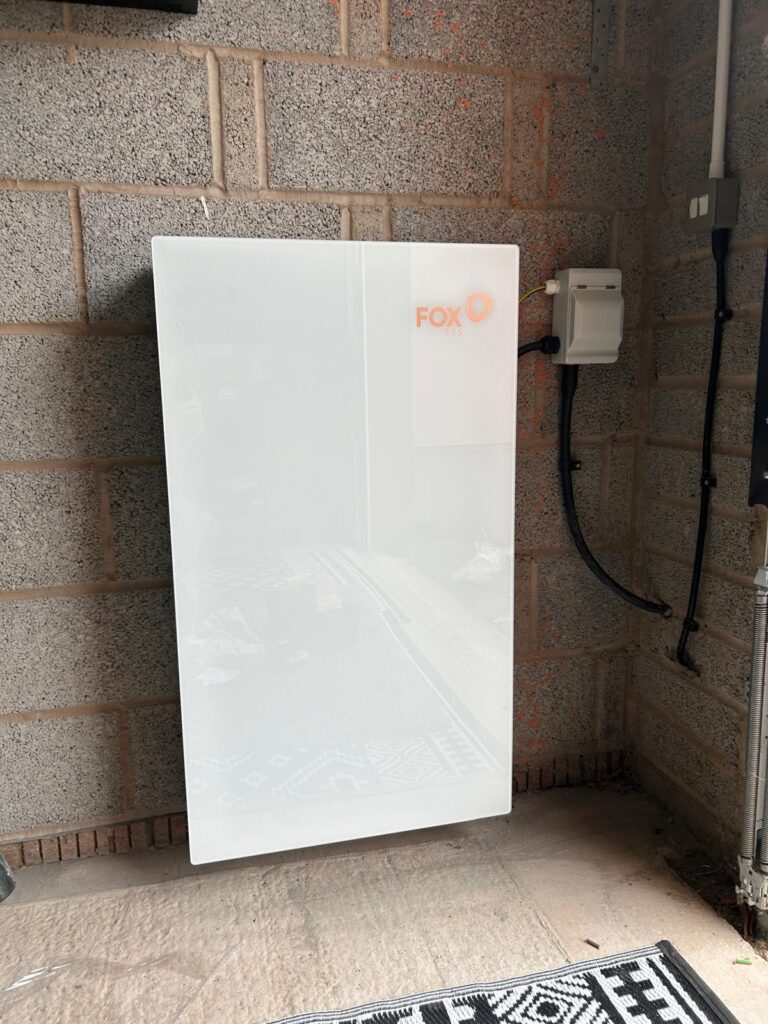
A home battery storage system is designed to store electricity for later use, giving you control over your energy supply.
Basic concept
At its core, a home battery storage system uses advanced lithium-ion battery technology to store electricity from the grid or renewable sources such as solar panels.
How energy is stored and used
Energy is stored when demand is low or when excess power is generated. The system then releases this stored energy when needed, either during peak hours or when a power outage occurs.
How Battery Storage Provides Emergency Backup Power
One of the main advantages of battery storage is its ability to provide immediate backup during outages.
Automatic switchover during outages
When a power cut occurs, the system detects the interruption and automatically switches to battery power within seconds. This ensures uninterrupted electricity for essential systems.
Powering essential appliances
A home energy backup system can keep critical appliances running, including lighting, refrigerators, WiFi routers, and medical equipment. This makes it highly practical for everyday use.
Difference from generators
Unlike traditional generators, battery systems operate silently and do not require fuel. They also require minimal maintenance and produce no emissions, making them a cleaner and more efficient solution.
Key Benefits of Home Battery Backup
Installing a home battery backup power system offers several long term advantages.
Energy security
You gain independence from the electricity grid and protection against unexpected outages.
Cost savings
By storing energy during off peak hours or using stored solar energy, homeowners can significantly reduce electricity bills.
Quiet and low maintenance
Battery systems operate silently and require far less maintenance compared to generators.
Renewable integration
Battery storage works seamlessly with solar panels, allowing you to store excess solar energy for later use.
How Long Can a Home Battery Power Your House
The backup duration depends on several factors, including battery capacity and energy usage.
Based on capacity and usage
A typical battery storage for power cuts can power essential appliances for several hours. Larger systems can extend this duration significantly.
Essential vs full-home backup
Most systems are designed to support essential circuits rather than the entire home. However, with higher capacity setups, full home backup is possible for shorter durations.
Pairing Battery Storage with Solar Panels
Combining battery storage with solar panels creates a powerful and efficient energy system.
Store excess solar energy
During the day, solar panels often generate more energy than your home consumes. This excess energy can be stored in your battery instead of being sent back to the grid.
Night-time and outage usage
Stored solar energy can be used at night or during outages, ensuring continuous power supply and reducing reliance on grid electricity.
System Requirements and Installation
Proper system design is essential for optimal performance and safety.
Battery size selection
Choosing the right battery capacity depends on your household energy needs and backup requirements.
Inverter compatibility
A compatible inverter system is required to manage energy flow between the battery, grid, and home.
Professional installation
Certified installation ensures safety, compliance with UK standards, and efficient system performance. Poor installation can lead to reduced efficiency and potential hazards.
Cost vs Long-Term Savings
While battery storage requires an upfront investment, it delivers value over time.
Upfront investment
The installation cost varies based on battery size, system complexity, and integration with solar panels.
ROI over time
Savings from reduced electricity bills and avoided outage disruptions contribute to a strong return on investment.
Energy bill reduction
Using stored energy during peak tariff periods helps lower overall energy costs significantly.
Common Mistakes to Avoid
Avoiding common errors can help you maximize the benefits of your system.
Undersized battery
Choosing a battery that is too small may not provide sufficient backup during outages.
No backup circuit planning
Without proper circuit planning, your system may not support essential appliances effectively.
Ignoring system compatibility
Ensuring compatibility between the battery, inverter, and existing electrical setup is critical for smooth operation.
Why Choose LPSEV Charging
LPSEV Charging offers advanced solutions tailored to modern energy needs.
Integrated energy solutions
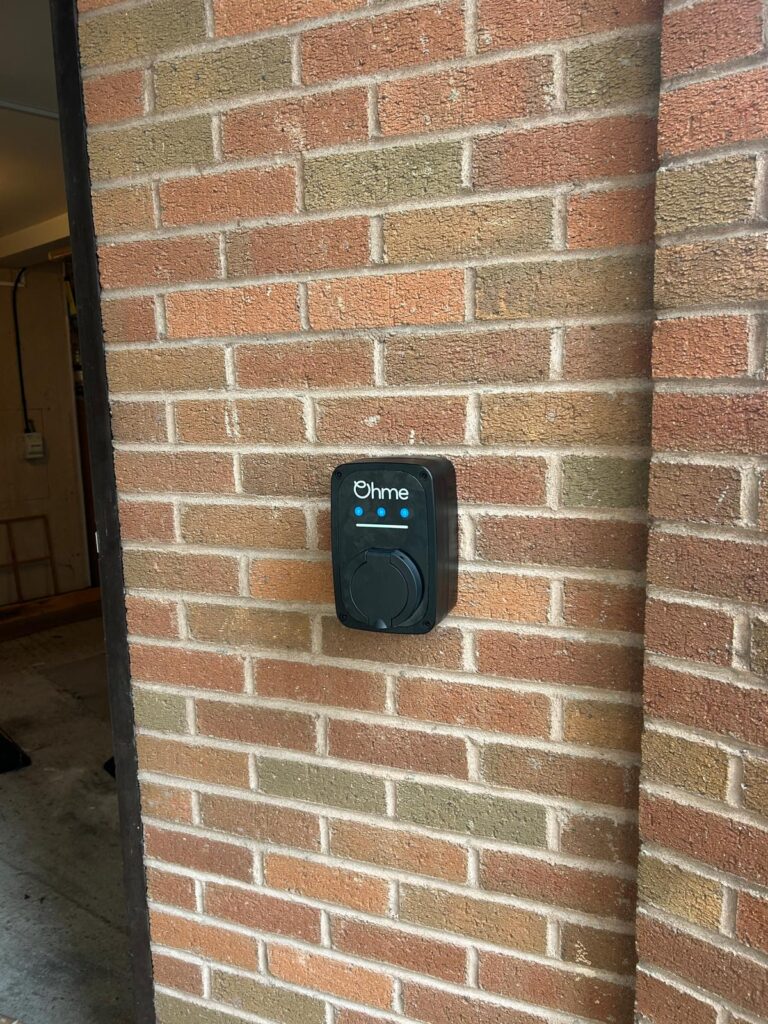
They provide complete systems that combine battery storage, EV charging, and renewable integration.
Expert installation
Their team ensures safe, compliant installation with a focus on long term reliability and performance.
Future-ready systems
LPSEV Charging designs systems that can scale with your needs, preparing your home for future energy technologies.
FAQs
1. Can a home battery run the whole house?
Yes, but it depends on the battery capacity and energy usage. Most systems prioritize essential appliances, while larger setups can support full home backup for limited periods.
2. Is battery backup better than a generator?
Battery systems are quieter, cleaner, and require less maintenance. They are ideal for most homes, while generators may still be used for extended outages.
3. How long do home batteries last?
Most lithium-ion batteries last between 10 to 15 years depending on usage, maintenance, and system quality.
