Electric vehicles are transforming the transportation industry and the number of EV drivers continues to increase every year. As adoption grows, the demand for accessible charging infrastructure is rising across cities, workplaces, retail locations, and hospitality venues.
For small businesses, installing EV charging stations is becoming a powerful opportunity to attract new customers, support sustainability initiatives, and prepare for the future of transportation. EV drivers often look for places where they can charge their vehicles while shopping, dining, or working.
When businesses provide EV charging stations, they become convenient stops for drivers who need reliable charging access. Retail stores, restaurants, hotels, and office buildings can all benefit from this growing trend.
Commercial EV charging stations also help companies demonstrate their commitment to sustainability by supporting electric transportation and reducing carbon emissions. Businesses that want to implement reliable EV charging infrastructure often work with experienced providers such as LPSEV Charging, which delivers professional installation and smart charging solutions for commercial properties.
Why EV Charging Is a Smart Investment for Small Businesses
Growing EV Market
Electric vehicle ownership is expanding rapidly as governments promote cleaner transportation and manufacturers introduce more EV models. This growth has created a strong demand for charging locations outside of homes.
Many EV drivers depend on public and workplace charging stations during daily activities such as shopping, commuting, or traveling. Businesses that install charging stations can capture this growing market and become preferred destinations for EV drivers.
Charging stations can also be listed on digital platforms that drivers frequently use to find nearby chargers. Applications such as Zap Map, Google Maps, and EV charging directories allow drivers to locate businesses that provide charging services.
Competitive Advantage
Providing EV charging services can help small businesses stand out in competitive markets. When customers compare similar restaurants, stores, or hotels, the availability of a charging station can influence their decision.
Environmentally conscious customers often prefer businesses that support sustainable transportation and eco friendly initiatives. Installing EV chargers signals environmental leadership and strengthens a company reputation as a modern and responsible brand.
Businesses that offer charging services also benefit from repeat visits. Drivers who know they can reliably charge their vehicles at a particular location are more likely to return.
How EV Charging Stations Attract More Customers
Increased Foot Traffic
EV drivers frequently search for charging stations before visiting an area. When a business installs chargers and lists them on charging maps or apps, it becomes visible to thousands of drivers looking for charging locations.
Platforms such as Zap Map, Google Maps, and EV charging apps help drivers quickly find nearby stations. Businesses that appear on these platforms gain increased visibility and can attract customers who might not otherwise visit the location.
This increased visibility can translate directly into higher foot traffic and more potential customers.
Longer Customer Dwell Time
Unlike traditional fuel stops, EV charging takes longer. Depending on the charger type, charging sessions can last anywhere from thirty minutes to several hours.
During this time, drivers often explore nearby services. A customer might browse retail stores, order food at a restaurant, or spend time in a cafe while their vehicle charges.
This extended dwell time increases the likelihood that customers will spend more money during their visit.
Discoverability Through Charging Apps
Modern EV charging infrastructure is connected to digital platforms that help drivers locate chargers quickly.
Businesses can list their chargers on popular platforms including:
Zap Map
Google Maps
EV charging directories and apps
These tools display information about charger availability, charging speed, and pricing. Drivers rely on these platforms when planning trips or daily commutes.
When a business appears on these platforms, it becomes easier for EV drivers to discover and visit the location.
Types of Commercial EV Chargers for Small Businesses
Level 2 Chargers
Level 2 AC chargers are the most common type of EV charger used by businesses. They offer a balance between installation cost and charging speed, making them suitable for many commercial environments.
Typical features include charging speeds of around 10 to 60 miles of range per hour.
Level 2 chargers are commonly installed in locations such as:
Retail stores
Office buildings
Restaurants
Hotels
Shopping centers
They are ideal for places where customers stay for longer periods.
DC Fast Chargers
DC fast chargers provide significantly faster charging speeds and are commonly used in high traffic locations.
These chargers can charge a vehicle to around 80 percent battery capacity in approximately 20 to 40 minutes.
DC fast chargers are well suited for locations such as highway service areas, busy commercial zones, and large shopping centers where quick charging is important.
Although installation costs are higher, they can attract drivers who need rapid charging during travel.
Supporting Your Green Fleet with Workplace Charging
Fleet Electrification
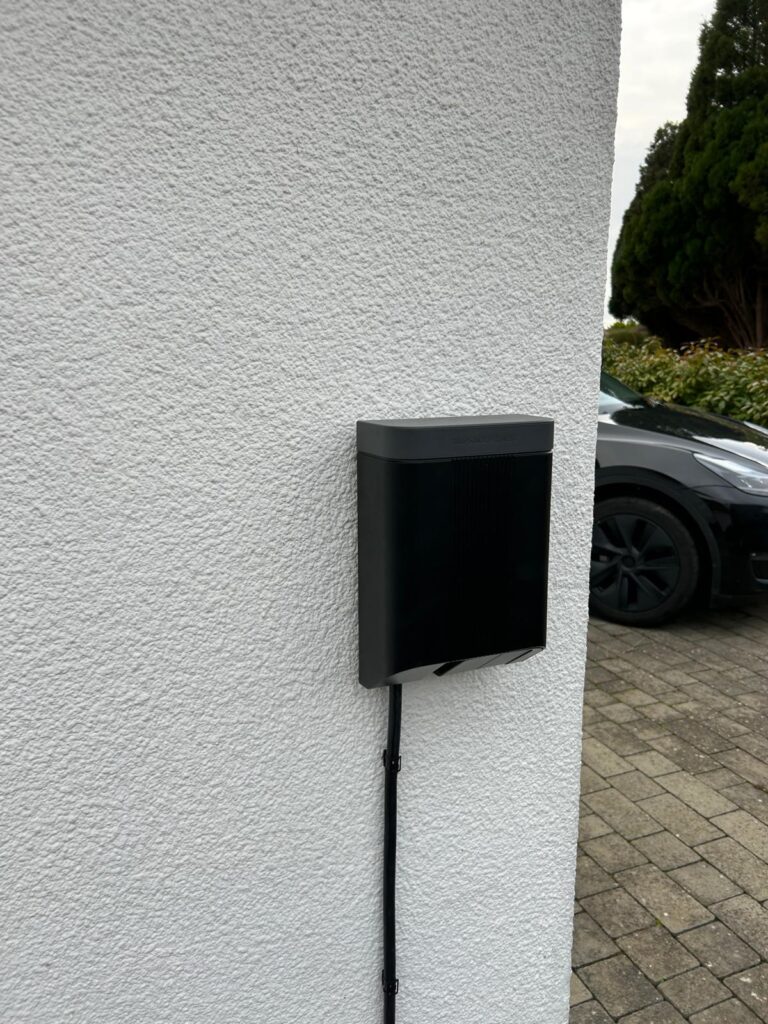
Many businesses are transitioning their company vehicles to electric fleets. Installing EV chargers at the workplace allows companies to charge their vehicles overnight or during off peak hours.
This ensures fleet vehicles are fully charged and ready for daily operations.
Fleet electrification is particularly beneficial for delivery companies, service providers, and organizations that operate multiple vehicles.
Reduced Fuel and Maintenance Costs
Electric vehicles typically have lower operating costs compared to gasoline vehicles. Electricity costs are often lower than fuel prices and EVs require less maintenance because they have fewer moving mechanical parts.
Businesses that operate electric fleets can benefit from lower fuel expenses and reduced maintenance requirements.
Employee Charging Benefits
Workplace EV charging also benefits employees who drive electric vehicles. Providing charging access during working hours helps employees manage their daily charging needs.
This convenience can encourage more employees to switch to electric vehicles and supports the company sustainability initiatives.
Revenue Opportunities from EV Charging
Charging Fees
Businesses can generate direct revenue from EV charging by charging customers for access to the charging stations.
Common pricing models include:
Pay per kilowatt hour
Pay per charging session
Time based charging fees
These models allow businesses to recover installation costs while creating a steady income stream.
Partnerships with Charging Networks
Businesses can also partner with EV charging networks or smart charging platforms that manage user access, payments, and data monitoring.
These systems may include RFID access systems, mobile app integration, and automated billing systems.
Partnerships simplify charger management and allow businesses to scale their charging infrastructure efficiently.
Advertising and Loyalty Programs
EV charging stations can support marketing strategies and loyalty programs. Businesses may offer incentives such as discounts or promotional offers to customers who charge their vehicles on site.
These incentives encourage repeat visits and help businesses build stronger relationships with customers.
Government Incentives and Grants
Many governments offer incentives to support the installation of EV charging infrastructure.
Examples of financial support include workplace charging schemes, EV infrastructure grants, and tax incentives.
These programs can significantly reduce the upfront costs of installing commercial EV charging stations. Businesses should research available programs to determine eligibility and maximize potential savings.
How to Install EV Charging at Your Business
Conduct a Site Survey
The first step in installing EV charging infrastructure is conducting a site survey. This process evaluates the location to determine suitable installation points and assess electrical access.
Determine Charger Type
Businesses must decide which charger type best fits their needs. Level 2 chargers are often suitable for workplaces and retail locations, while DC fast chargers work best in high traffic areas.
Evaluate Electrical Capacity
The electrical system must be capable of supporting EV chargers. In some cases, upgrades may be required to provide sufficient power.
Choose a Commercial EV Charging Provider
Working with an experienced provider ensures that the installation meets safety standards and operates efficiently.
Install and Connect to Charging Network
After installation, chargers are connected to a smart charging platform that manages payments, monitoring, and access control.
Promote Your Charging Location
Once chargers are operational, businesses should list them on EV charging maps and apps such as Zap Map and Google Maps. Promoting the chargers helps attract EV drivers and increase visibility.
Why Choose LPSEV Charging
LPSEV Charging provides professional EV charging solutions designed for commercial properties.
Key advantages include:
Professional EV charger installation for businesses
Experience with workplace charging and fleet infrastructure
Smart charging management systems
Scalable infrastructure that grows with business needs
Installations that comply with UK safety standards
By working with LPSEV Charging, businesses can install reliable charging solutions that improve customer experience and support sustainable transportation.
Future of EV Charging for Businesses
The shift toward electric transportation is accelerating and businesses that invest in EV charging infrastructure today will be better prepared for future demand.
Several trends are shaping the future of commercial EV charging.
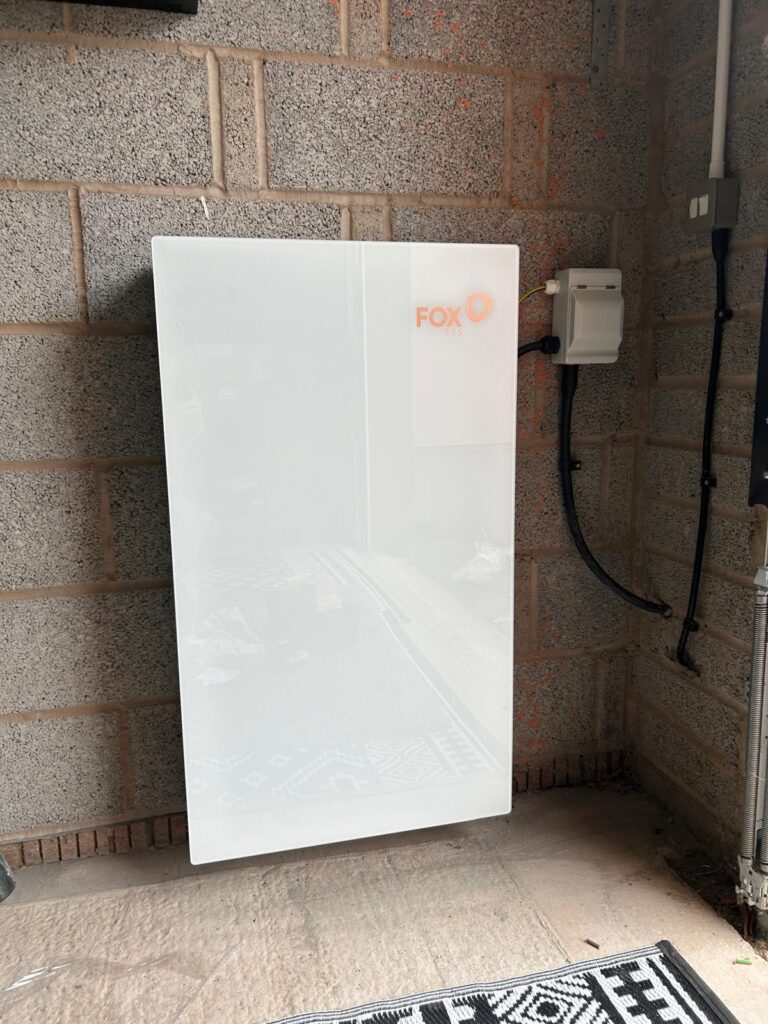
EV adoption will continue to increase across consumer and commercial markets. Smart charging technologies will help optimize energy use and reduce electricity costs. Charging infrastructure will increasingly integrate with renewable energy systems such as solar power and battery storage.
Businesses that adopt EV charging early can strengthen their reputation as innovative and environmentally responsible organizations.
Providing charging services also builds long term customer loyalty because drivers often return to locations where they can conveniently charge their vehicles.
Frequently Asked Questions
Do EV chargers increase customer traffic?
Yes. EV drivers often prefer locations where they can charge their vehicles while shopping or dining. This increases foot traffic and encourages customers to spend more time on site.
How much does it cost to install a commercial EV charger?
Installation costs depend on factors such as charger type, electrical upgrades, number of chargers, and installation complexity.
Can businesses make money from EV charging stations?
Yes. Businesses can generate revenue by charging per kilowatt hour, per session, or through partnerships with EV charging networks.
Which EV charger is best for a small business?
Level 2 chargers are usually the most cost effective solution for retail stores, offices, hotels, and restaurants because they provide reliable charging speeds while keeping installation costs manageable.
